

As householders seek better eco-friendly and efficient ways to warm and cool their residences, heat pumps are quickly gaining prominence as a leading option for today’s heating requirements. These adaptable units not only offer comfort year-round but also contribute to substantial energy efficiency and a diminished environmental impact. Whether you are considering a renovation or simply checking out choices for the long term, the advantages of heat pumps are meriting your focus at this time.
In the following discussion, we will investigate all the details about heat pumps, including how they compare to traditional HVAC technologies, their performance, and the best practices for setting up and maintenance. With rising interest in green technologies, understanding heat pumps and their benefits can empower you to decide wisely that boost your home’s comfort and effectiveness for the foreseeable future.
Comprehending Heat Pump Systems
Heat transfer systems are cutting-edge heating & climate control solutions that function by shifting heat rather than producing it. They can extract heat from the external atmosphere, ground, or liquid sources, according to the kind of heat pump. This innovation makes them notably effective, as they can provide up to three times the amount of energy in heating or cooling compared to the power they consume. This ability is a primary reason homeowners are thinking about heat pumps for their energy needs.
There are several categories of heat pumps, including air source, geothermal, and water-based. Air-to-air heat pumps are the most prevalent, extracting heat from the outside air even in colder temperatures, while geothermal heat pumps utilize the stable temperatures found beneath the surface for improved efficiency. https://output.jsbin.com/kisakonavo/ can select a type based on considerations like climate, space availability, and financial constraints. Understanding these options is vital for arriving at an informed choice about which kind of heat pump is most suitable for your house.
In addition to efficiency, heat pumps offer considerable ecological benefits. They produce fewer GHG emissions compared to conventional HVAC systems that utilize fossil fuels. This environmentally friendly operation attracts increasingly environmentally aware consumers who want to lower their CO2 emissions. By transitioning to a heat pump, homeowners can support a more green future while enjoying increased well-being and efficiency year-round.
Benefits of Heat Pumps
Heat pumps offer a significant efficiency edge over standard HVAC systems, making them an ever more popular choice for homeowners. Using electricity to transfer heat rather than create it, these systems can provide up to triple more heating energy than the electricity they consume. This high efficiency not only translates to decreased energy bills but also reduces greenhouse gas emissions, contributing to a more environmentally friendly living environment. As energy costs rise, the financial benefits of heat pumps become even more attractive, allowing homeowners to save significantly over the duration of the system.
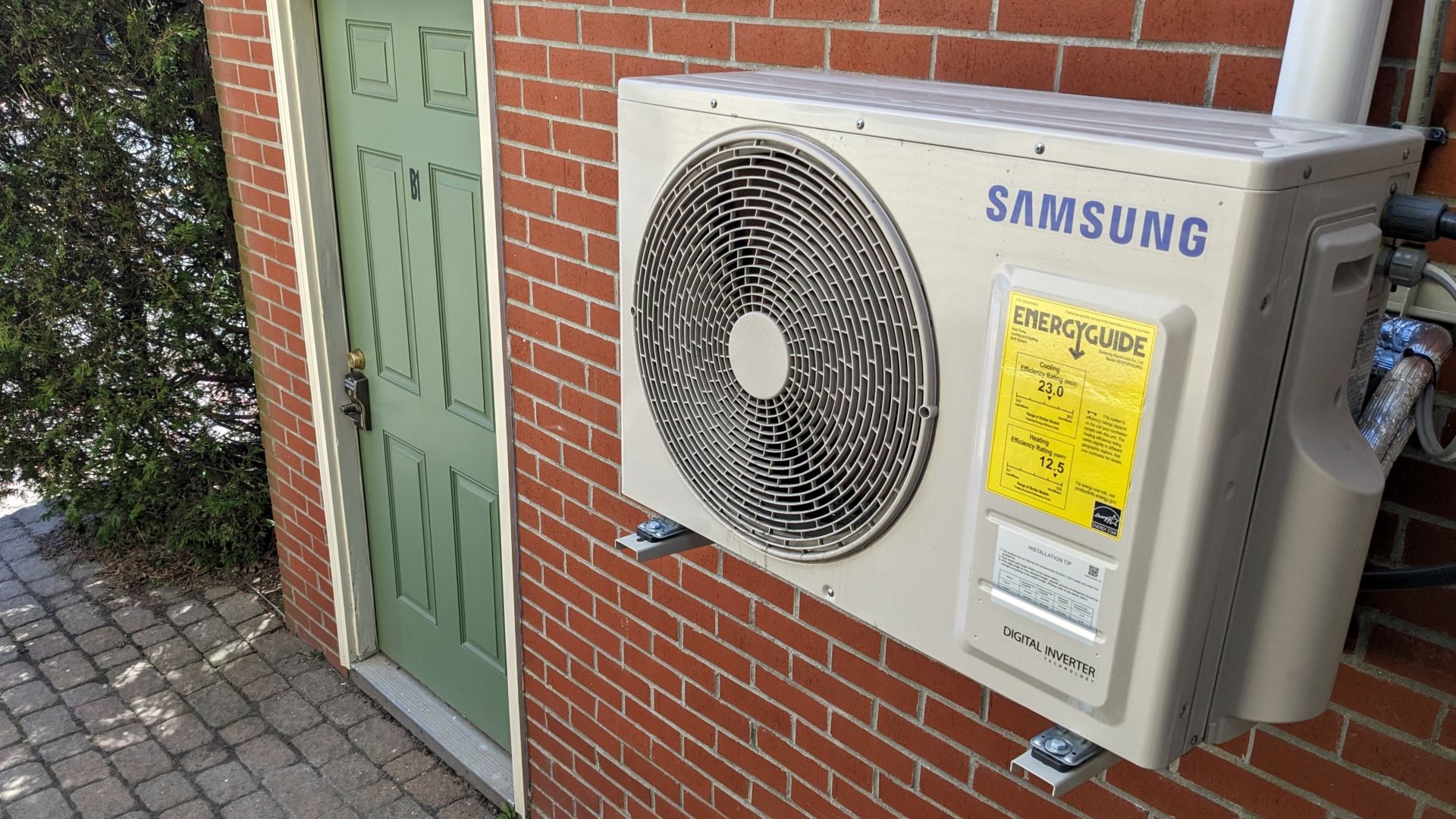
Another significant benefit of these systems is their versatility in providing both warmth and air conditioning for the home. In the winter, they draw warmth from the outside air or ground and transfer it inside, while in the hot season, they reverse the process, acting as an AC unit. This dual functionality means that residents can enjoy year-round comfort without the need for separate heating and cooling units. Additionally, advancements in technology have boosted the performance of heat pumps in chilly climates, making them a practical option for regions with extreme winters, such as Colorado.
Installing a heating system can also boost indoor air quality and coziness. Many systems include sophisticated filtration capabilities that help remove dust, allergens, and other pollutants from the air, creating a more wholesome living environment. Moreover, the even heating and cooling provided by these systems can remove hot and cold spots in the home, ensuring consistent temperatures across the space. With the added benefits of low maintenance and possible rebates or tax credits, switching to a heat pump is a decision that can lead to a more comfortable, effective, and environmentally friendly home.
Setup and Care
Setting up a heat pump can be a straightforward task, but it requires careful consideration to ensure best functionality. Homeowners should start by evaluating their particular heating and cooling needs, which can be shaped by factors such as the size of the house, the quality of insulation, and regional weather. Working with a trustworthy heat pump installer is crucial; they can provide a proper assessment and advise the right size and model of heat pump for your needs. Additionally, grasping the installation timeline and potential interruptions to your routine can help make the transition easier.
Once installed, regular maintenance of a heat pump is important for long-term performance and effectiveness. Homeowners should aim to check their heat pump at least once a year, preferably prior to the heating or cooling season. Standard maintenance tasks involve checking and replacing air filters, cleaning the outdoor unit, and ensuring internal parts are working correctly. Keeping up with maintenance not only enhances performance but can also help spot problems early, preventing costly repairs down the line.
It is also important to familiarize yourself with frequent heat pump issues and troubleshooting techniques. Sounds, for instance, can differ; knowing what is expected versus what signals a problem can aid in efficiency and avoid unnecessary repairs. Additionally, learning about the ecological advantages of a heat pump can enhance your dedication to maintaining this energy-efficient solution. By emphasizing installation and maintenance, homeowners can experience the full advantages of their heat pump for the long term.