

Spray art is a remarkable technique that enables both creators and DIY enthusiasts to transform their concepts to life with quickness and accuracy. Whether you are looking to transform your furnishings, renew your spaces, or dive into an large-scale project, mastering the art of spray painting can enhance your creations to a completely new level. With the right tools, techniques, and a little experience, anyone can achieve a seamless finish that rivals professional results.
In this article, we will explore the essential aspects of spray painting, from choosing the appropriate type of spray paint for your tasks to frequent mistakes to avoid. We will lead you through the preparation process, the advantages of using primer, and how to achieve smooth, consistent coats. Whether you're a beginner or looking to enhance your abilities, our recommendations will help you traverse the exciting world of spray painting with confidence and imagination.
Vital Techniques for Flawless Spray Painting
Achieving a smooth spray paint finish demands a mix of technique and planning. Before you commence, ensure that your workspace is tidy and airy. Position your project at a ergonomic height to lessen strain while you paint. Begin by agitating the spray can vigorously for at least 2 minutes to make sure the paint is thoroughly mixed. When applying the paint, hold the can about 12 to 18 inches from the surface, tilting it a bit to create an uniform spray pattern. This separation is essential for avoiding drips and runs.
As you begin spraying, use a smooth motion from side to side, intersecting each pass by about 50 percent. This technique not just promotes an uniform distribution of paint but additionally helps in minimizing the risk of patchy spots. To boost your control, rehearse on a scrap piece of material before working on your actual project. This will provide you a sense for the spray pattern and allow you to fine-tune your technique if needed.
Schedule is another key factor in impeccable spray painting. Let the first coat to dry fully before applying subsequent coats, typically waiting at least 15-30 minutes depending on the paint type and environmental conditions. Always adhere to the manufacturer's recommendations, as this will secure optimal adhesion and finish. If you see any imperfections or runs, you can carefully sand the surface once the paint has dried, followed by a final coat to attain that professional look.
Typical Mistakes & How to Avoid Them
A common errors in spray-painting includes failing to getting ready the substrate. Failure to clean, sand, or prepare the surface results in subpar stickiness and uneven finishes. To prevent this mistake, you should take the effort to clean the surface well, eliminating dust, grease, as well as old paint. For different surfaces, such as metal or wood, appropriate primers need to be used to create a strong foundation for the paint. Adequate preparation ensures a smoother and more long-lasting finish.
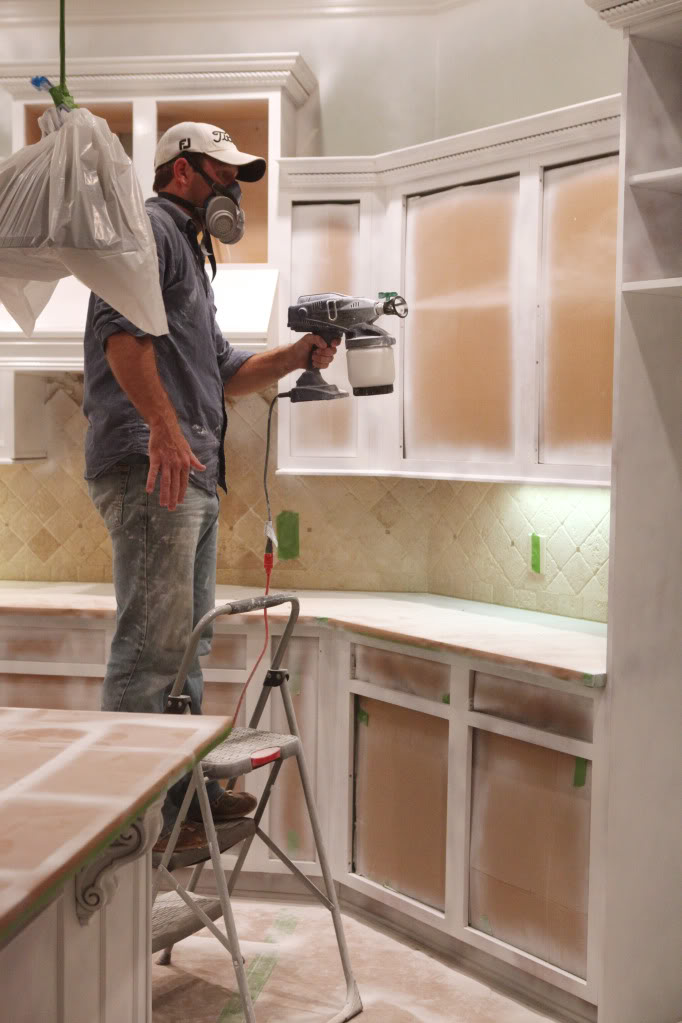
One more common mistake involves applying excessive paint in one go, which can cause drips and runs. To achieve an even application, it is crucial to use light, consistent coats and to keep the spray gun or nozzle in motion continuously. Kitchen Spray Painting Ackworth West Yorkshire can disrupt the finish and ruin the project. Employ a steady hand and keep a suitable distance from the surface, usually around 6 to 12 inches, to secure the best results.
Lastly, many beginners ignore the importance of conditions in the environment when spray painting. Factors such as wind, humidity, and temperature can significantly influence the finish. It's important to check the weather before beginning your project, making sure you paint in a quiet and dry environment. If possible, choose a day with mild temperatures and low humidity for the optimal adhesion and drying times, which will help you avoid frequent complications related to adverse conditions.
Equipment and Protection for Successful Spray Painting
Having the right tools is essential for achieving a top-notch spray paint finish. Begin with a high-quality spray gun or aerosol cans, depending on your project needs. For the majority of DIY projects, an airless spray gun can provide enhanced control and a finer finish than conventional cans. Additionally, invest in various nozzle sizes to fit different types of paint and surfaces. Don't forget about cover sheets, painter's tape, and masks to shield surrounding areas and ensure exactness during the spray application.
Precaution should consistently be a priority when spray painting. Use a filter mask designed for paint fumes to protect your lungs, as although low levels of spray paint can contain toxic chemicals. Safety goggles are also vital to shield your eyes from overspray. Ensure that you are wearing gloves and previously used clothing to protect your skin and reduce the mess after your project. Moreover, work in a airy area, whether outdoors or in a garage with open doors and windows, to ventilate any harmful fumes quickly.
Finally, maintaining your spray painting equipment will heavily influence the results of your projects. After each use, clean your spray gun meticulously to prevent paint buildup, which can affect subsequent performance. For aerosol cans, check the nozzle for clogs and store them in a chill, arid place. Regularly handle paint and solvents sensibly, and follow local regulations for the disposal of used cans and leftover products. By equipping yourself with the right tools and adhering to protection measures, your spray painting projects will be more pleasurable and rewarding.