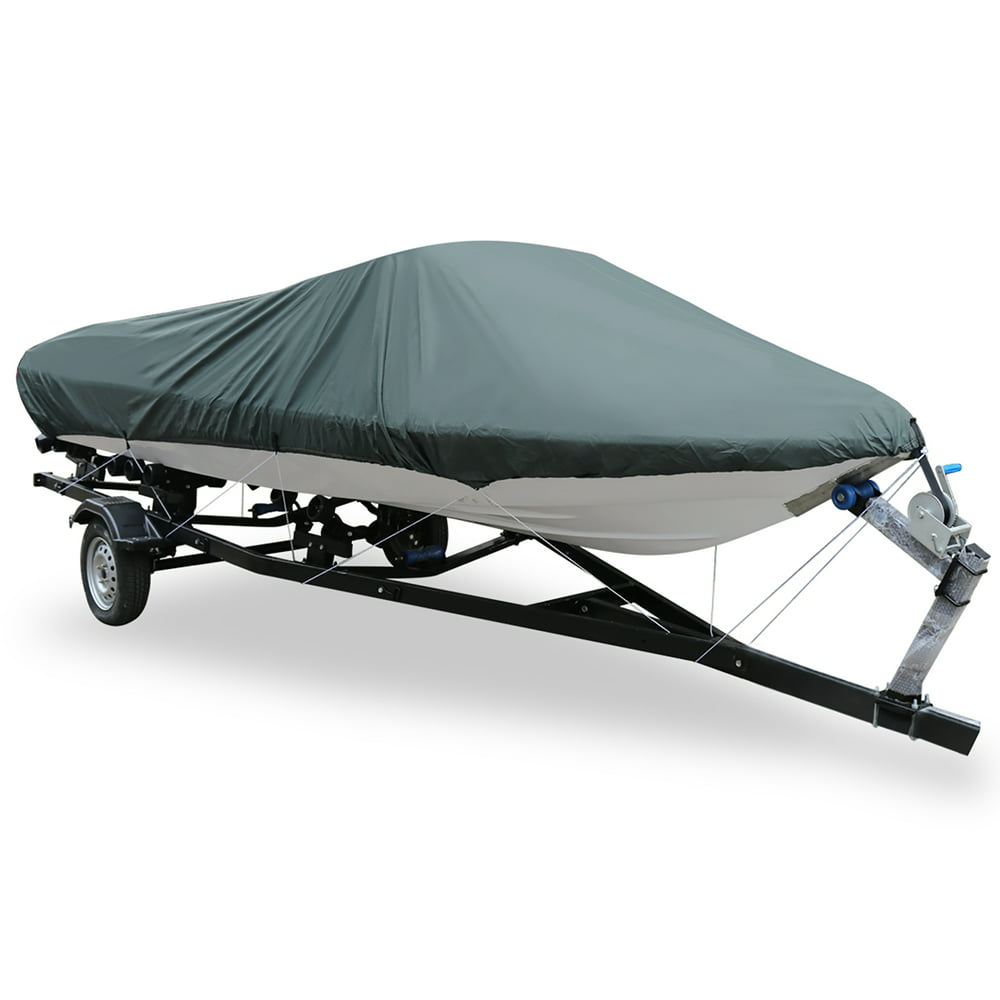
Regarding owning a boat, ensuring its longevity and performance is of supreme importance. A quality boat cover is not just an accessory; it is a vital piece of equipment that protects your investment from various environmental factors. From severe UV rays to erratic weather, the right boat cover plays a significant role in preserving the integrity and aesthetics of your vessel. Nonetheless, with so many options available, finding a stylish and functional cover that meets your needs can be intimidating.
In this definitive guide, we will explore all you need to know about boat covers, including how to select the right one, the benefits they offer, and essential tips for proper maintenance. If you are an experienced boat aficionado or a novice to the world of boating, understanding the intricacies of boat covers will help you make informed decisions and enhance your overall boating experience. Join Narrow Boat Canopy as we dive deep into the world of boat covers, where fashion meets function, ensuring that your boat remains safeguarded and stylish at all times.
Choosing the Right Boat Cover
Selecting the ideal vessel cover is essential for safeguarding your investment and guaranteeing the durability of your boat. Begin by considering the exact dimensions of your vessel, as a proper fit will provide the best safeguarding from the elements. Precise measurements of your boat's size, width, and tallness will assist you in choosing between bespoke or standard covers, making sure you find a protection designed to securely encase properly.
Next, consider the weather conditions in which you will be operating your vessel. Various materials offer varying levels of protection against weather elements such as precipitation, UV rays, and gale. For example, waterproof protections are perfect for wet conditions, while water-resistant choices might be sufficient in arid areas. Additionally, think about ventilation to minimize moisture accumulation and mold, particularly if your vessel is often stored outdoors.
Finally, consider your utilization habits. If you often transport your boat on a trailer, a trailerable protection that can withstand the rigors of transportation is a must. In contrast, if you're more focused on storage, you might prioritize durability and weather resistance. Choosing the right boat protection not only enhances your sailing experience but also protects your vessel against potential damage, making it a valuable expenditure.
Grasping Materials of Boat Covers and Styles
Deciding on the appropriate boat cover initiates with grasping the different materials on the market. Typical options include heavy-duty canvas, polyester, and vinyl material, each offering unique benefits. Canvas is a long-lasting choice famed for its ventilation and resistance to wear, making it a preferred choice for prolonged protection. Polyester, in contrast, is easy to handle and holds up against shrinking, mold, and mildew, making it easier to use and look after. Vinyl provides a moisture-proof barrier, which can be in areas with significant rainfall or snow.
When it comes to styles, boat covers generally fall into two main categories: bespoke and universal. Custom covers are tailored to fit particular boat models and provide a secure fit, lowering the risk of water accumulation. However, they tend to be more expensive. Universal covers are designed to fit a range of boat shapes and sizes, thus making them more affordable but at times less effective in delivering complete protection. Grasping these styles will help you select a cover that not just fits your boat but additionally meets your expectations.
In along with material and style, it’s crucial to think about the features that boost the protection your boat cover gives. Look for options with protection against UV rays, sturdy seams, and adjustable straps to hold the cover tightly. Some covers even come with ventilation systems to allow air circulation, which prevents moisture build-up and diminishing the risks of mold and mildew. Putting money into a top-notch boat cover with the appropriate materials and features will protect your purchase and ensure your boat continues in excellent condition for many years to come.
Maintenance and Upkeep for Your Cover for Your Boat
Proper maintenance and care of your cover for your boat are vital for extending its life and efficiency. Regularly inspect your cover for signs of damage, including fraying seams or fading fabric. It's advisable to clean your boat cover regularly with a mild soap and water solution to get rid of dirt, salt, and other debris that can build up and lead to deterioration. Avoid using bleach, as they can harm the material and water-resistant coatings.
When storing your boat cover, ensure that it is entirely thoroughly dry to prevent mold and mildew growth. Store it in a chill, arid place out of harsh sunlight. If your cover is designed with a venting system, make sure to keep those openings clear, allowing proper airflow to dissipate moisture. Additionally, when the boat cover is not in use, consider folding it properly or utilizing a protective bag to protect it from dust and pests.
If you notice minor issues like tiny tears, make fixes immediately using appropriate patches or adhesives designed for waterproof fabrics. This can stop small issues from evolving into larger, more expensive problems. Consistently checking the fit of the cover fit on your vessel is also crucial; a well-fitted cover will stay in place better and provide enhanced protection against the elements. Adhering to these maintenance tips will help ensure that your cover for your boat remains both functional and attractive for many seasons to come.