

Educating an individual to drive is not only a privilege and a challenge. As a driving instructor, you have the special opportunity to shape a learner's experience behind the wheel, leading them from doubt to confidence. The process of learning to drive is more than about mastering the mechanics of operating a vehicle; it entails understanding road rules, cultivating safe driving habits, and tackling the frequent anxieties that many beginner drivers face. With calmness and expertise, an instructor can make a profound impact on a learner’s experience.
For new drivers, the road to independence can seem overwhelming. From selecting the appropriate instructor to navigating the challenges of their initial driving lesson, every step counts. Dual control Hire aims to offer perspective into the realities of teaching driving, providing essential tips for new drivers and highlighting the critical role instructors play in fostering safe, confident drivers. Whether you are a new learner, a guardian supporting a teen, or even an adult seeking to improve on your abilities, comprehending how driving instructors operate can make all the distinction in reaching driving success.
Best Tips for Beginner Drivers
As a new learner, the journey to becoming a confident driver can feel daunting. One of the most effective tips is to establish a consistent practice schedule. Frequent driving sessions, even if they are short, can significantly enhance your skills and confidence level behind the wheel. Regular practice helps reinforce new habits and ensures that learning is gradual and achievable.
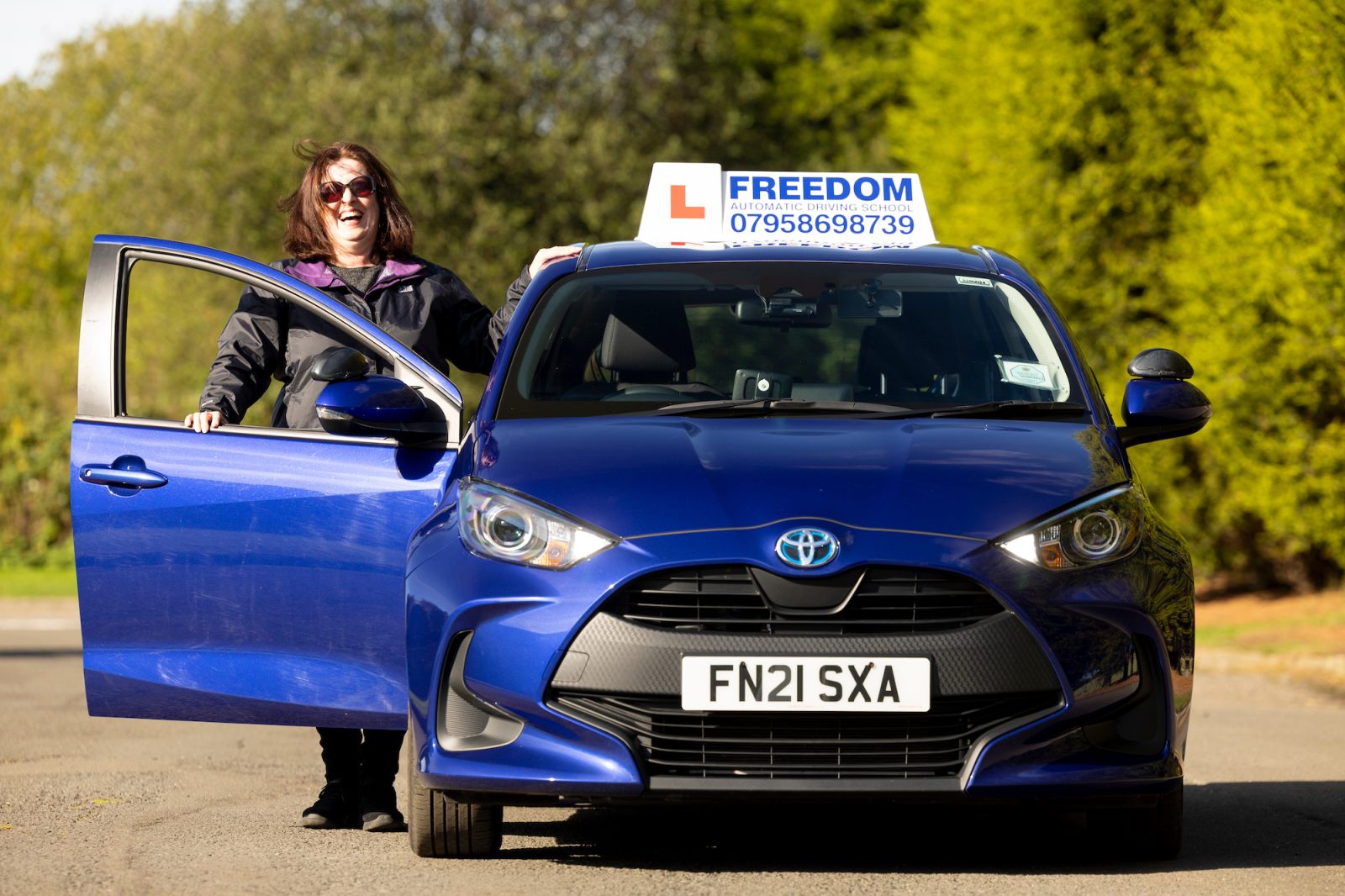
Another crucial tip is to communicate clearly with your driving instructor. Discuss your concerns and preferences, as this will allow them to tailor the lessons to suit your personal learning style. Whether you feel anxious or need more time mastering particular skills, open communication can help create a more positive learning environment and make your lessons more productive.
Finally, do not hesitate to ask questions during your lessons. Curiosity is a vital part of learning, and understanding the rationale behind specific driving techniques can deepen your knowledge. Whether it’s about road rules, maneuvers, or safety tips, asking questions encourages learning and helps build the confidence needed for safe driving in the long run.
Determining the Best Driving Instructor
Choosing the right driving instructor is vital for a successful learning experience. Take into account their credentials and expertise, as licensed instructors typically have completed extensive training and possess a deep understanding of driving regulations. Look for instructors who are calm, motivating, and able to adapt their teaching to various learning styles. Looking at reviews or asking for recommendations from friends can also help you evaluate the effectiveness and method of potential instructors.
Another important factor is how relaxed and compatible you feel with the instructor. A good relationship can enhance communication, making it more straightforward to ask questions and discuss any concerns you may have. During your preliminary conversations, pay attention to how they present concepts and whether they make you sense at ease. It’s essential to find an instructor who honors your speed while also encouraging you to improve steadily.
Finally, consider logistical aspects such as their availability and area. An instructor who operates in your area and can accommodate your schedule is crucial for consistent practice. Additionally, ask if they offer both manual and automatic lessons, based on your preference. By spending the time to choose the best driving instructor, you not only enhance your chances of becoming a skilled driver but also guarantee a more pleasurable learning journey.
Tackling Common Obstacles in Learning to Drive
A significant foremost hurdles new drivers face is anxiety, particularly when first driving for the first occasion. Instructors play a key role in assisting students overcome this fear. They utilize various techniques, such as creating a calm environment and creating a welcoming rapport, which allows learners to share their concerns. By gradually adding to the complexity of driving tasks, instructors can assist students gain confidence and become more capable behind the wheel.
Another common challenge is acquiring specific driving skills, such as parallel parking or precision driving, which many learners consider daunting. A capable driving instructor identifies these difficult areas and tailors lessons to concentrate on them, providing step-by-step guidance to ease the learning process. They often employ visual aids, practical demonstrations, and practice time to guarantee students understand these essential skills, helping frustration and develop proficiency.
Finally, communication between the instructor and student can greatly impact the effectiveness of the lessons. Instructors invite feedback, allowing learners to share any uncertainty or questions they may hold. This honest dialogue fosters trust and understanding, allowing instructors to modify their teaching methods to better match individual learning styles. By guaranteeing that students feel validated and assisted, driving instructors can help them conquer obstacles and become more successful on their journey to being competent drivers.