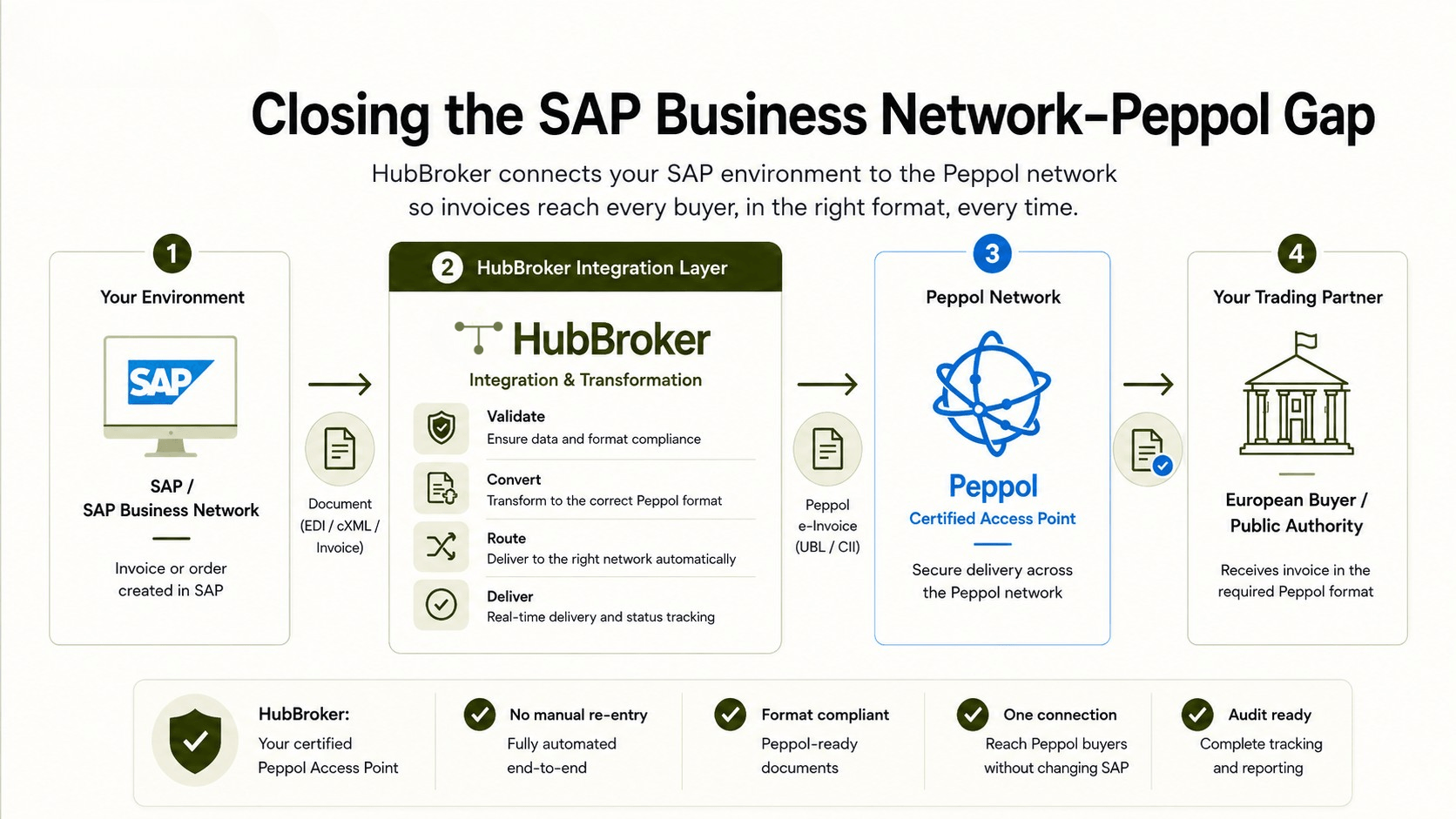
Within the current worldwide economy, the need for efficient, clear, and affordable invoicing systems has never been more critical. As companies grow beyond countries, traditional invoicing techniques often underperform, resulting to setbacks and regulatory issues. Enter the Peppol software, a groundbreaking solution created to simplify electronic invoicing on an global scale. By providing a uniform structure and infrastructure, Peppol not just facilitates the invoicing process but also guarantees safe and lawful deals between trading partners across the world.
Peppol software stands for a major advancement in the field of electronic invoicing, enabling organizations to connect smoothly with diverse stakeholders. As businesses increasingly look to digitize their processes, grasping the ins and outs of Peppol software becomes essential. This piece will examine the various facets of Peppol software, from its fundamental functionalities and benefits to actionable guidance for selecting and adopting the best solution for your business. Whether you're a entrepreneur or an financial professional dealing with the challenges of e-invoicing, understanding Peppol software can be a game-changer in enhancing invoice processing and enhancing overall financial management.
Understanding Peppol Software and Its Capabilities
Peppol software is created to facilitate seamless electronic billing and purchasing across borders. At its core, it utilizes a consistent framework that allows businesses to share invoices, purchase orders, and other procurement documents in a organized manner. This promotes interoperability between diverse systems, which is essential for global commerce. By adhering to established standards, Peppol software guarantees that participants can communicate effectively no matter their spatial position or the technology they employ.
The features of Peppol software covers several key components, including access points, which serve as ports for transmitting and accepting documents. These access points connect to the Peppol network, allowing businesses to transmit invoices confidentially and dependably. Furthermore, the software supports multiple document formats and ensures compliance with relevant regulations, reducing the challenges often associated with cross-border transactions. This functionality streamlines the invoicing process, reduces errors, and shortens payment cycles.
In addition to its technical capabilities, Peppol software equips businesses by supplying greater visibility into their invoicing processes. It delivers tools for monitoring invoices from initiation to payment, which assists in managing cash flow more effectively. With real-time data and analytics, businesses can make wise decisions and optimize their financial operations. Overall, Peppol software symbolizes a major progress in how companies manage their invoicing and procurement activities on a international scale.
Benefits and Functions of Peppol E-Invoicing Software
The Peppol system offers substantial benefits for companies looking to streamline their invoice management. One of the main advantages is enhanced efficiency. By automating the exchange of invoices, organizations can reduce the duration used for data input and handling, leading to quicker transaction cycles and improved cash flow. This streamlining not only conserves time but also minimizes the risk of errors, resulting in more accurate invoicing.
Another prominent aspect of the Peppol system is its ability to facilitate international transactions seamlessly. With a uniform framework, businesses can participate in cross-border billing without the hassles of dealing with diverse formats or regulations. This aspect is especially advantageous for businesses operating in various countries or working with overseas partners, as it makes easier adherence with different laws and boosts communication across borders.
Additionally, the Peppol system ensures strong security and regulatory adherence. With included security measures for data protection, companies can have confidence that sensitive financial information is safeguarded during transfer. Additionally, the system helps businesses comply with e-invoicing regulations specific to their localities, making it easier to maintain compliance and avoid possible legal issues. Overall, these aspects make the Peppol system an crucial tool for contemporary companies looking to enhance their invoicing practices.
Implementation and Adherence of Peppol Software
Implementing Peppol software involves several essential phases to ensure a seamless transition from traditional invoicing methods. First, businesses must evaluate their current invoicing processes and determine any necessary changes to connect with the Peppol network. Peppol-software may entail choosing a proper Peppol Access Point provider, which serves as the gateway for transmitting and receiving invoices. Once the provider is chosen, configuring the software requires configuring preferences, testing connections, and preparing staff to use the new system effectively.
Compliance is a critical aspect when adopting Peppol software. Organizations must familiarize themselves with the Peppol e-invoicing rules relevant to their business operations. This includes comprehending the standards set by the European Commission and ensuring that the software complies with these regulations. Continuous changes to legal and technical requirements require regular reviews of compliance practices to prevent penalties and ensure efficient operations.
To facilitate proper implementation and compliance, businesses should also ensure clear communication with their Peppol Access Point provider. This includes staying informed about updates, support resources, and any changes in compliance requirements. By doing so, companies can ensure that their invoicing processes stay effective and compliant, paving the way for successful cross-border transactions within the Peppol framework.