

As the cold season nears, the necessity of expert road services becomes increasingly evident. Frozen precipitation and ice have the potential to change well-known paths into perilous zones, posing significant risks to commuters, pedestrians, and local businesses. Adequate winter road maintenance is essential not just for maintaining mobility, but also to guarantee the safety of the public during harsh climatic situations. As the snow starts to accumulate, the swift and efficient response of seasonal roadway assistance can mean the difference between a safe journey and a perilous one.
Grasping what qualified cold-weather road services include is important for all, spanning local government, business proprietors, and daily drivers. These offerings consist of a range of activities, such as snow removal, road salting, and applying de-icing agents, all designed to mitigate the effects of winter weather. By proactively addressing icy and snowy conditions, these specialists are instrumental in lowering the number of accidents and maintaining societal links. In this piece, we will investigate the value of winter roadway assistance, how they operate, and the optimal methods that keep roads safe and usable during the winter.
A Importance of Specialized Winter Road Management
Expert cold weather transport management are crucial for maintaining public safety during the frigid season when snow and frost can create problematic transportation conditions. Such services are intended to mitigate the impacts of cold weather elements, offering timely support that can greatly reduce the chance of accidents. When highways are adequately cared for, companies can run efficiently, and communities can continue to function without the anxiety and interruption caused by cold weather.
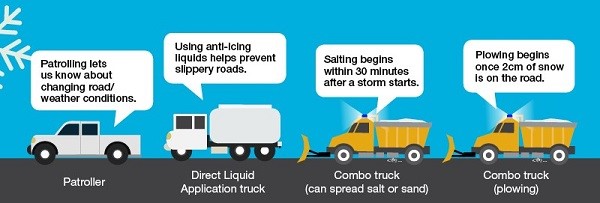
The function of such management extends beyond mere flakes clearance. Effective cold highway management includes proactive steps such as ice control and gritting to prevent frost from accumulating, thus improving traction and vehicle control. By implementing proven practices from industry professionals, local authorities can minimize highway closures and maintain entry for emergency services, which is vital during extreme conditions situations. This is notably important in areas reliant on effective transport infrastructure for emergency reactions and daily requirements.
Moreover, expert cold weather transport management add to the general financial well-being of regions. By guaranteeing that roads remain passable, they help maintain productivity for local businesses that may potentially suffer from winter disruptions. The investment in outsourcing these management is beneficial by saving time, reducing risk exposures, and ultimately protecting lives. The holistic strategy taken by professional winter transport services is a essential factor in protecting communities against the threats posed by cold conditions.
Effective Strategies for Winter Road Maintenance
Effective winter road maintenance begins with anticipatory planning and readiness. Local authorities and organizations should create a comprehensive winter maintenance plan that encompasses the unique needs of all roads. This plan includes establishing the best materials to use, such as de-icing agents or sand, and identifying the critical areas that require priority treatment, such as bus routes and emergency access roads. Engaging with specialists can ensure that these plans are based on effective strategies, taking into account factors like vehicle frequency, road classification, and weather factors.
Another vital practice is timely weather observation and response. Utilizing technology to track weather patterns allows maintenance teams to anticipate hazardous conditions and act promptly. Real-time data helps in making data-driven decisions about when to apply de-icing agents or start snow clearance operations. A collaborative approach can significantly reduce accidents and improve overall road safety during winter storms, keeping communication lines open among all entities involved in winter maintenance efforts.
Finally, regular training and review of personnel handling winter road services can enhance the efficacy of winter maintenance. Providing staff with the latest techniques and tools ensures they are prepared for unexpected winter conditions. Additionally, after the conclusion of winter, conducting a thoroughly detailed assessment of the strategies employed allows for improvements to be made for the upcoming winter. This loop of planning, monitoring, and training establishes a robust framework for maintaining safe roads throughout the winter months.
How Technology Improves Seasonal Road Services
Developments in technological innovations are transforming how expert winter road services work. Instant weather monitoring systems provide precise data on temp changes and precipitation, facilitating road care teams to make knowledgeable decisions about timing and which places to allocate resources. Check out the post right here helps to avoid hazardous conditions prior to they happen, ensuring that roads stay safe for motorists.
Alongside weather monitoring, the utilization of GPS and route optimization software has dramatically improved efficiency in snow clearance and gritting operations. These systems enable service companies to keep tabs on their vehicles in the moment, enhancing routes to increase coverage while minimizing response times. By examining historical traffic patterns and weather data, contractors can focus on areas that are the most vulnerable to icy conditions, making sure that essential routes stay accessible.
Moreover, advances in materials, such as enhanced de-icing agents and sustainable alternatives, are turning winter road maintenance much effective and sustainable. These products merely enhance safety by removing ice quickly but also lessen environmental impact compared to standard road salt. By integrating these advancements into their operations, expert winter road operations can improve safety, efficiency, and sustainability during harsh winter conditions.