

Exploring the path of autistic challenges as a parent can be both rewarding and challenging. Understanding the therapies available to aid children with autism is crucial, and one of the most commonly recognized methods is ABA therapy. This holistic method focuses on enhancing specific skills while reducing challenging behaviors through scientific principles of behavior modification. As parents, being informed about how ABA therapy works and the benefits it provides can enable you to make the best decisions for your child's development.
In this manual, we will explore various components of ABA therapy, including its fundamental techniques, what parents should foresee during therapy sessions, and how to choose the appropriate provider. We will also discuss the critical role of timely intervention and how reward systems plays a crucial part in supporting children with autism. By understanding these components, you can better navigate your child's experience with ABA therapy, making sure they receive tailored support that meets their unique needs.
Understanding ABA Therapy
Applied Behavior Analysis, or ABA therapy, is a well-regarded intervention for kids with autistic spectrum disorders. It is based in the theories of behavior sciences and focuses on understanding and altering behavior through a framework of reinforcement and the application of different approaches customized to the specific youth's needs. By analyzing the connection between behavior and the surroundings, ABA therapy aims to improve important behaviors and promote constructive growth.
One of the central aspects of ABA is the use of encouragement through rewards, which encourages wanted behaviors by providing incentives or motivations. This method not only facilitates learning new skills but also helps children learn to apply skills across different settings and situations. Throughout the treatment, therapists obtain data to monitor progress and make necessary changes to interventions, ensuring that the therapy remains effective and adaptive to the kid's changing demands.
ABA therapy can be carried out in multiple contexts, such as homes, schools, or clinics. This versatility allows for a more thorough method to learning and behavior modification. By engaging https://www.buddingfuturesaba.com/aba-therapy-kids-fort-collins and supporters in the intervention, ABA encourages collaboration and continuity, creating a nurturing setting that improves the youth's overall growth and helps them reach their maximum capabilities.
Positives and Methods of ABA Therapy
ABA intervention offers numerous benefits for children with autism, primarily concentrating on behavior modification and skill development. One of the key advantages is the enhancement of communication skills. Through tailored interventions, children learn to express their needs and thoughts more effectively, which can lead to improved social interactions. Additionally, ABA therapy can help minimize challenging behaviors, rendering environments more manageable for both children and their families. These beneficial outcomes create a foundation for better emotional well-being and higher quality of life.
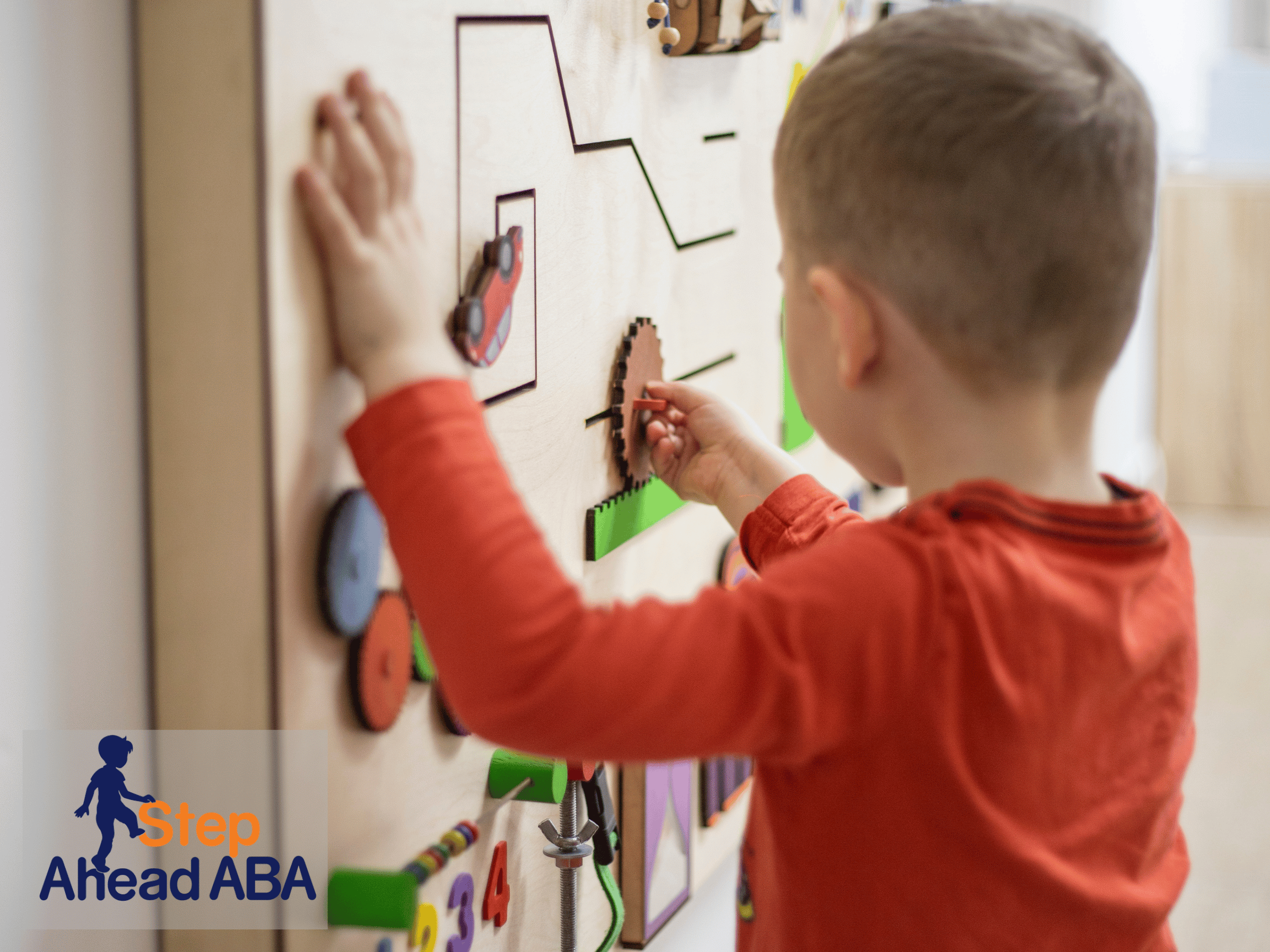
In terms of approaches, ABA therapy employs various strategies such as discrete trial training, natural environment training, and functional behavior assessments. Discrete trial training separates skills into small, teachable parts followed by reinforcement, allowing it easier for children to learn difficult behaviors. Natural environment training allows children to apply learned skills in real-life situations, promoting application of those skills. Functional behavior assessments help therapists comprehend the purpose behind a child's behavior, allowing for personalized intervention strategies.
Another significant aspect of ABA therapy is its emphasis on positive reinforcement. By acknowledging desirable behaviors, therapists encourage children to repeat these behaviors, cultivating independence and self-regulation over time. Techniques such as modeling and prompting are also utilized to teach social skills and daily living skills. These methods not only aid in skill acquisition but also build confidence in children, enabling them to navigate social situations more effectively and enhancing their ability to interact with peers.
Kickstarting in ABA Therapy
Beginning the journey of ABA therapy can be a key moment for your kid. The initial thing is to collect insights about ABA therapy, including its principles and strategies. Understanding how ABA functions and the potential gains it can deliver is crucial for making informed decisions. It typically helps to peruse publications, participate in workshops, or connect with other parents who have experience with ABA. This information will empower you to advocate successfully for your child’s needs and get ready you for the journey ahead.
After gathering insights, it is important to find a qualified ABA therapy specialist. This includes researching local organizations and clinicians who focus on ABA therapy for kids with autism. Look for qualifications, experience, and personal referrals. Once you have a few options, arrange meetings to discuss their strategy to therapy and how they tailor programs for each child. Inquiries about their approaches, success stories, and how they involve parents in the procedure can offer insight into which specialist might be the ideal fit for your family.
As you prepare for your kid's initial appointment, consider creating a framework that smooths the transition into treatment. Discuss the next sessions with your kid in a supportive way, emphasizing the enjoyable aspects and what they might gain. Regularity and predictability can help alleviate stress. Being encouraging throughout the journey will boost your child’s experience and create a groundwork for their achievement in ABA treatment. Keep in mind that your active role as a parent is essential in creating a encouraging environment for growth and advancement.