

Lately, IV treatment has gained significant attention as a trending wellness trend. Countless individuals are attracted to the idea of fast infusions of vitamins and minerals, hydration, and vitamins, often with claims of immediate health benefits. However, with its growing popularity, a fog of myths and misconceptions has emerged about what IV therapy really is and who it’s suitable for. It’s important to uncover the facets of information and discern fact from fiction, especially when it comes to choosing the optimal health practices for your lifestyle.
This piece aims to refute common myths surrounding IV therapy and provide you with essential knowledge on the subject. From understanding how IV therapy works and its benefits for hydration and wellness, to comparing it with oral supplements, we will examine various aspects of IV therapy. Whether you are an fitness enthusiast seeking quicker recovery, a busy worker trying to maintain energy levels, or just curious about incorporating IV therapy into your wellness routine, this manual is designed to enlighten and enable you with the facts you need to make knowledgeable decisions.
Comprehending Intravenous Therapy: Perks and Function
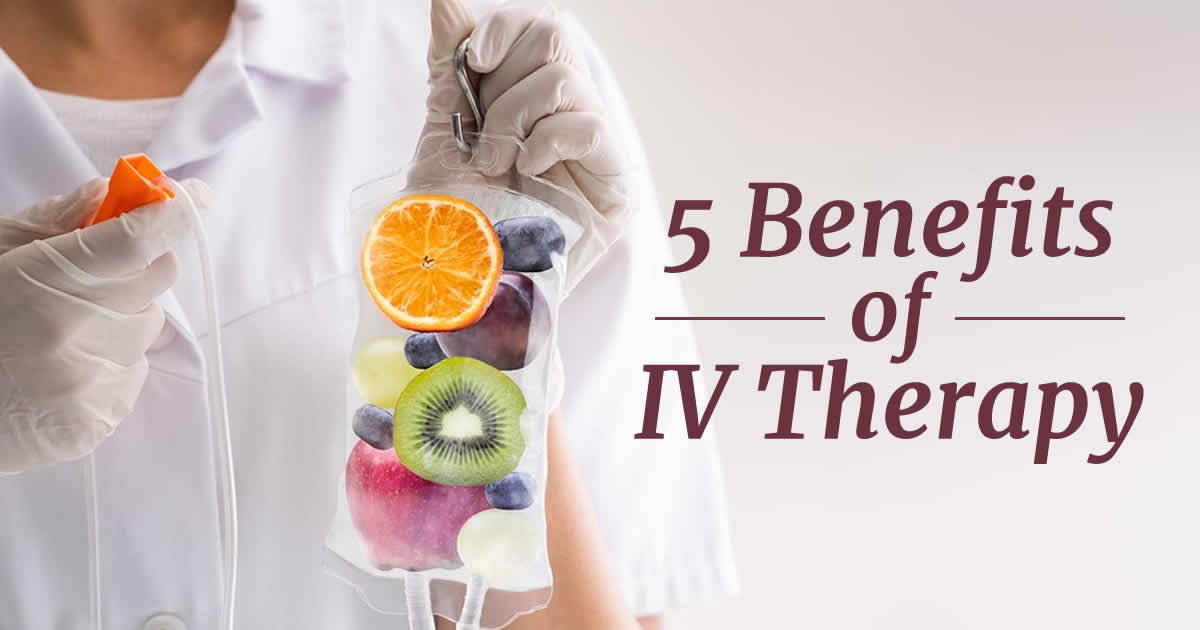
Intravenous therapy, or intravenous therapy, is a technique of delivering liquids, drugs, and nutrition straight into the bloodstream through a vascular access. This methodology allows for quicker absorption and use by the organism in contrast with taking supplements orally. By bypassing the gastrointestinal tract, IV therapy guarantees that the components reach cells and tissues more efficiently, making it a popular choice for fluid replacement, nutrient replenishment, and therapeutic interventions.
One of the primary benefits of IV therapy is its efficacy in meeting hydration needs, especially for people who may find it difficult to consume enough fluids orally. This is particularly crucial for sports competitors, working individuals, and people on the go who require quick and effective hydration solutions. IV therapy can also provide essential vitamins and minerals that may be missing in a person's diet, thereby enhancing overall health and vitality.
Furthermore, IV therapy is gaining recognition for its role in contemporary wellness programs, where it complements various lifestyle factors aimed at improving well-being. This includes supporting recovery after strenuous exercise, improving skin condition, and even fighting fatigue from jet lag or busy schedules. By providing customized treatment options, IV therapy is designed to satisfy individual health objectives and needs.
Intravenous therapy vs. oral supplements: Comparing Effectiveness
Intravenous therapy and oral supplements have different mechanisms for delivering nutrients to the body, leading to significant differences in efficacy. Oral supplements must pass through the GI tract, where factors such as stomach acidity, food interactions, and absorption rates can impede the amount of nutrients that actually reach the bloodstream. In contrast, intravenous therapy administers vitamins, minerals, and hydration straight into the bloodstream, bypassing the digestive tract completely. This method ensures that nutrients are taken in swiftly and efficiently, often providing instant effects.
When considering the availability of nutrients, intravenous therapy has the advantage. Studies show that intravenous administration can lead to higher serum levels of vitamins and minerals compared to oral counterparts. For instance, vitamin C administered via intravenous can yield up to 10 times the concentration in the blood compared to when taken orally. This feature makes IV therapy particularly appealing for individuals seeking rapid replenishment of nutrients after illness or intense physical activity, where traditional supplements may not be enough.
While oral supplements are easier to use and often more affordable, IV therapy caters to those needing a more immediate and stronger nutritional boost. Factors such as personal lifestyle, health conditions, and wellness goals play a major role in deciding which method is more suitable. Ultimately, people should evaluate their specific needs and speak to healthcare professionals to choose the most effective approach for their health and wellness.
Security and Considerations for IV Therapy Treatments
When evaluating IV therapy, security is a paramount concern. It is crucial to select a certified and experienced provider who follows strict hygiene practices and is aware about possible risks associated with IV therapies. https://zenivtherapy.com/ guarantees that the processes are performed using clean equipment and that proper dosing and component selections are followed to minimize any adverse effects.
Before initiating IV therapy, individuals should meet with their medical provider to review their medical history, potential allergies, and any ongoing health conditions. Some individuals may require additional considerations, such as pregnant women, those with long-term illnesses, or individuals actively taking medication. Proper evaluation can help identify any contraindications and create a customized approach to guarantee safety and efficacy.
Lastly, while IV therapy can be advantageous, it is not a panacea and should be integrated into a comprehensive wellness plan that includes a nutritious diet and healthy lifestyle choices. Patients should stay informed about the components used in their treatments and understand any potential side effects, as well as the suggested interval of sessions. This awareness allows individuals to make informed decisions that support their health and wellness goals.