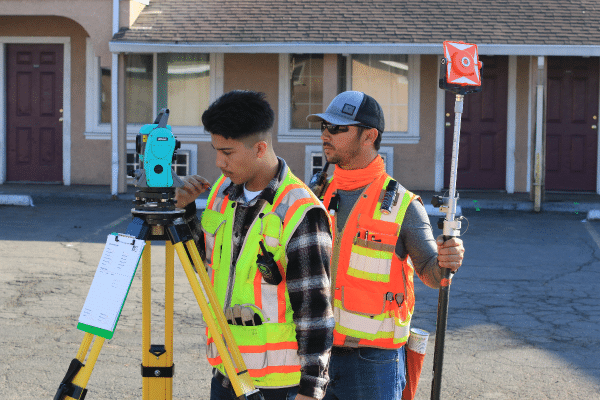
In the context of navigating the intricate world of property ownership and development, comprehending surveying services is essential. If you are a homeowner, a property developer, or someone looking to invest in real estate, understanding of surveying can spare you time, costs, and potential legal headaches. From determining property boundaries to ensuring compliance with local zoning regulations, professional surveyors play a pivotal role in multiple stages of land transactions and construction projects.
In this article, we will delve into everything you need to know about surveying services. You will discover the top reasons to hire a certified surveyor, what to expect during a land survey, and the differences between different types of land surveys. Additionally, we will examine how accurate surveying can avert property disputes, support construction efforts, and protect your property rights. If you are contemplating a new purchase or embarking on a development project, understanding the intricacies of surveying is crucial to making informed decisions.
Why Hire a Professional Surveyor?
In the realm of real estate dealings, development initiatives, or property development, employing an expert surveyor is essential for securing precision and conformity with legal standards. A certified surveyor possesses the necessary qualifications to analyze intricate land use laws and regulations, which can greatly lessen risks for landowners. Without this focused knowledge, people may accidentally violate local zoning laws or misinterpret property boundaries, leading to expensive disputes and delays.
Additionally, qualified surveyors employ state-of-the-art technology and methodologies that provide accurate measurements and comprehensive land assessments. Tools such as GPS and drones allow them to capture data that would be challenging or impossible to collect manually. This remarkable degree of precision is important not only for defining property lines but also for strategizing construction or other land development projects. By leveraging the newest technology, professional surveyors can identify potential issues before they arise, preserving time and resources down the line.
Lastly, hiring a qualified surveyor offers confidence. With their legal and technical expertise, surveyors can help clients understand their rights and obligations regarding property lines, easements, and land use. This assurance is invaluable in staving off future property disputes and ensuring that any development meets legal standards. By delegating these responsibilities to a expert, property owners can focus on their projects with assurance, knowing that the surveying aspect is in trusted hands.
Types of Land Surveys
There exist several types of land surveys, each serving a distinct purpose. Browse this site are essential for defining the exact lines that demarcate a property. This type of survey is often used in real estate transactions, guaranteeing that buyers and sellers are aware of the exact boundaries of the property in question. It delivers a definitive understanding of who owns what, which is crucial in preventing disputes with neighbors.
Topographical surveys concentrate on the contours and features of the land. They offer in-depth information about elevation and slopes, which is essential for construction projects and land development. By highlighting natural and man-made features on the land, topographic surveys assist in planning for drainage, landscaping, and building placement, making sure that the project conforms to the terrain.
Staking surveys for construction are a further important type, used to identify specific points on a site to guide builders during construction. These surveys aid in ensuring that structures are built in the right locations according to plans and specifications. This type of survey plays a key role in aligning construction work with legal and regulatory standards, as well as avoiding costly mistakes during building.
The Importance of Accurate Surveying
Correct surveying is critical to making sure that property boundaries are well defined and respected. When land is surveyed correctly, property owners can confidently engage in purchasing, divesting, or enhancing their land without the impending risk of legal disputes. An exact survey acts as a protection against encroachments and boundary conflicts, providing a unambiguous, qualified assessment of where one property concludes and another originates. This clarity not only helps in upholding harmony among neighbors but also protects property rights, which are crucial for any landowner.
In building and engineering, the role of precise surveying cannot be undervalued. Surveying services provide essential data that inform project planning, design, and execution. From determining landform features to providing boundary delineations, accurate surveying helps builders, engineers, and architects create blueprints that respect local zoning laws and regulations while avoiding potential legal entanglements. This not only accelerates the development process but also ensures that projects are completed smoothly and within legal frameworks.
Furthermore, the importance of correct surveying extends into environmental considerations and land use planning. With the increasing focus on sustainable development, correct surveys provide essential information about land characteristics that influence environmental impact assessments. By comprehending the details of the land, such as flood zones and easements, decision-makers can make sound choices that promote responsible land use and development. Ultimately, utilizing accurate surveying services results in long-term savings, better land management, and a decrease in potential future conflicts.