

In an era where aesthetics and functionality hold paramount importance for our living and working spaces, stone restoration arises as a vital practice that bridges the gap of history and modernity. From the grandeur of marble to the rugged beauty of granite, natural stone surfaces can significantly enhance the appeal of any property. However, time, weather, and daily wear can take their toll, resulting in surfaces that may appear worn or damaged. Understanding that stone restoration entails and its importance can provide clarity on why investing in professional services is beneficial.
While we delve into this world of stone restoration, we will explore various tools and techniques that professionals utilize to revitalize surfaces. We will also look at common signs which indicate the need for restoration, the intricacies of different stone types, and the potential transformation that can occur with proper care. Whether you own a historic building, a bustling restaurant, or a cozy home, knowing how to maintain your stone surfaces can preserve their beauty and increase property value. Join us as we uncover the essential elements of stone restoration and how they can make a noticeable difference in residential and commercial properties.
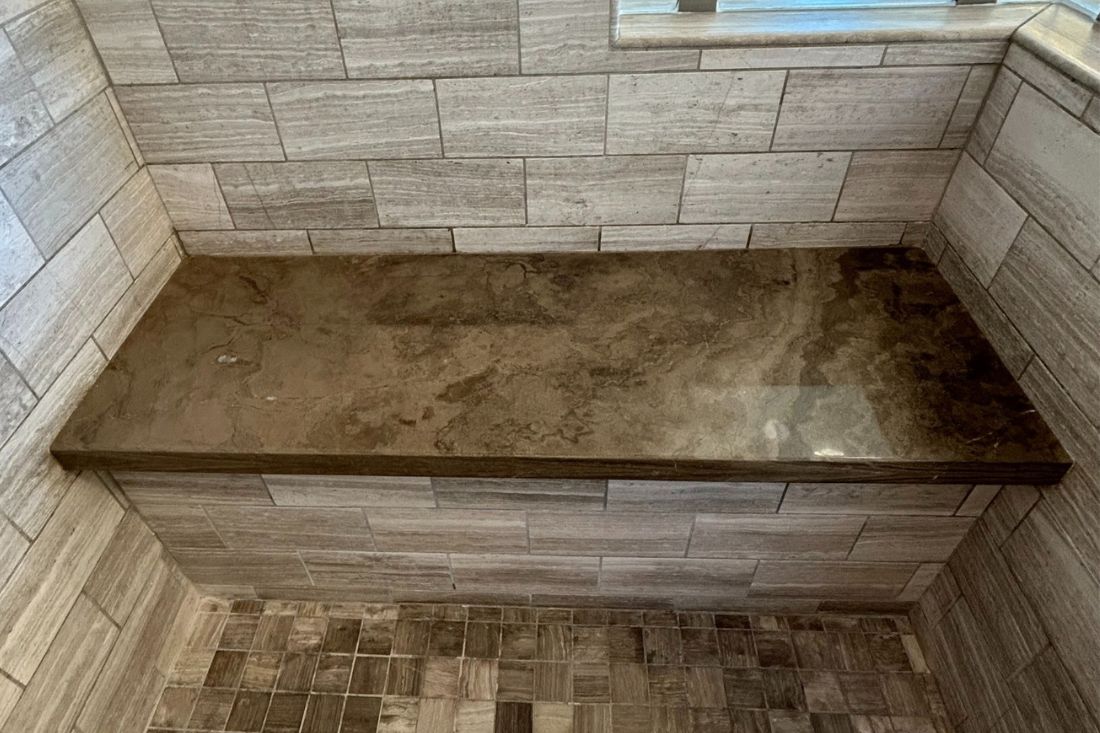
Comprehending Stone Refinishing
Stone restoration is the process of washing, restoring, and upkeeping genuine stone areas to bring back their initial beauty and effectiveness. Over time, stone surfaces can suffer from deterioration due to frequent handling, natural elements, and other damage. This refinishing method is essential to maintain the aesthetic appeal and structural integrity of natural stone, whether it be in domestic or business environments. When done correctly, stone restoration can additionally rejuvenate areas but additionally increase the overall value of a property.
The methods involved in stone refinishing differ based on the category of stone, the level of deterioration, and the expected goal. Common approaches include thorough cleaning, polishing, and protecting to shield against upcoming damage. For worse issues, such as cracks or extensive indentations, repairing techniques may involve repairing impaired spots or smoothing the stone to produce a uniform finish. Understanding these approaches is crucial to establishing the best approach for each particular stone category and state.
Committing to skilled stone restoration is essential for preserving both the visual appeal and durability of stone facades. When carried out by skilled technicians, repair can significantly prolong the lifespan of the stone, making it more economical in the long term compared to substitution. Additionally, expert restoration aids in preserving the stability of heritage buildings and cultural properties, where protecting the first stonework is of utmost importance.
Professional Techniques and Benefits
Expert stone restoration uses a variety of techniques to efficiently revitalize and preserve the beauty of natural stone surfaces. One of the most common methods includes deep cleaning, which utilizes specialized equipment and eco-friendly cleaning solutions to remove dirt, grime, and stains. This process not only restores the stone's original luster but also prepares the surface for additional treatments such as honing or polishing. Specialists use diamond abrasive pads for honing, which perfects the surface by eliminating scratches and imperfections, giving the stone a smooth finish that enhances its appearance.
Another important technique is sealing, which safeguards the stone from future damage caused by spills, stains, and moisture. Professional restorers apply high-quality sealants that infiltrate deeply into the stone, offering long-lasting protection and making maintenance easier. This step is crucial for maintaining the integrity of the stone, especially in high-traffic areas or environments subjected to various elements. Effective sealing can substantially extend the lifespan of your stone surfaces, ensuring they remain both beautiful and durable.
Using specialized stone restoration services provides several benefits beyond just aesthetics. High-quality restoration work can significantly increase property value, making it a worthwhile investment for homeowners and business owners alike. Moreover, professionals have access to advanced tools and techniques that produce results unattainable through DIY efforts. This expertise not only enhances the appearance of the stone but also guarantees that the restoration process is safe and effective, minimizing the risk of damage that can arise from improper techniques.
Maintenance and Maintenance for Refurbished Stone
Subsequent to completing specialized restoration, it’s important to set up a proper upkeep routine to ensure that your stone areas remain to appear their optimal. Routine washing is essential, and it is advised to use pH balanced cleaners especially designed for natural stone. Steer clear of strong chemicals or gritty materials, as these can cause deterioration to the freshly restored surface. Establish a consistent cleaning schedule to remove dirt and grime that can build up over time.
Coating your restored stone is an essential step in shielding its exterior. A top-notch sealant can aid prevent stains and moisture infiltration, extending the life of the refurbishment. Reapply https://posteezy.com/stone-restoration-restoring-history-artifact-moment as advised by experts, which may change depending on the kind of stone and the level of foot traffic. Periodically check for any deterioration to the sealant and reseal as needed to preserve ideal protection.
Alongside cleaning and sealing, it is imperative to tackle any concerns as soon as they come up to prevent further harm. Be on the alert for signs of scratches, scratches, or fading. Prompt action, such as using specific polishing compounds or seeking expert assistance for small restorations, can maintain your stone exteriors looking spotless. With the right care, restored stone can improve your property for many years to come.