

In the construction industry, the integrity of foundations is of utmost importance, and this is where piling techniques come into play. Whether you’re building a small residential home or a significant commercial project, understanding the different piling techniques can greatly influence the safety and durability of your project. Piling serves as the backbone of your building, shifting weight from the structure into the ground and ensuring that it remains steady and secure over time. In this thorough guide, we will explore the significance of piling services, the various methods that are available, and how to choose the right solution for your particular requirements.
As construction projects differ considerably, so do the obstacles that accompany them. From geological factors to project size and environmental factors, selecting the right piling approach is essential. https://graph.org/Piling-Services-Essential-to-Establishing-Stability-10-02 will offer valuable insights into the signs that imply your project may require piling, contrast various methods such as various types of piles and examine how advances in technology are changing the way piling is conducted. By the end of this guide, you will have a more comprehensive knowledge of how to make informed decisions regarding piling services, providing a reliable foundation for your upcoming building project.
Grasping Deep Foundation Solutions
Piling solutions are a critical aspect in the building industry, delivering the crucial backing for construction bases and different edifices. Deep foundation involves the execution of subsurface foundations that convey the load of buildings to deeper, more stable soil or rock layers. This process is crucial in areas where surface soil conditions are insufficient to hold up the needed loads, making sure that buildings remain safe and reliable over the years.
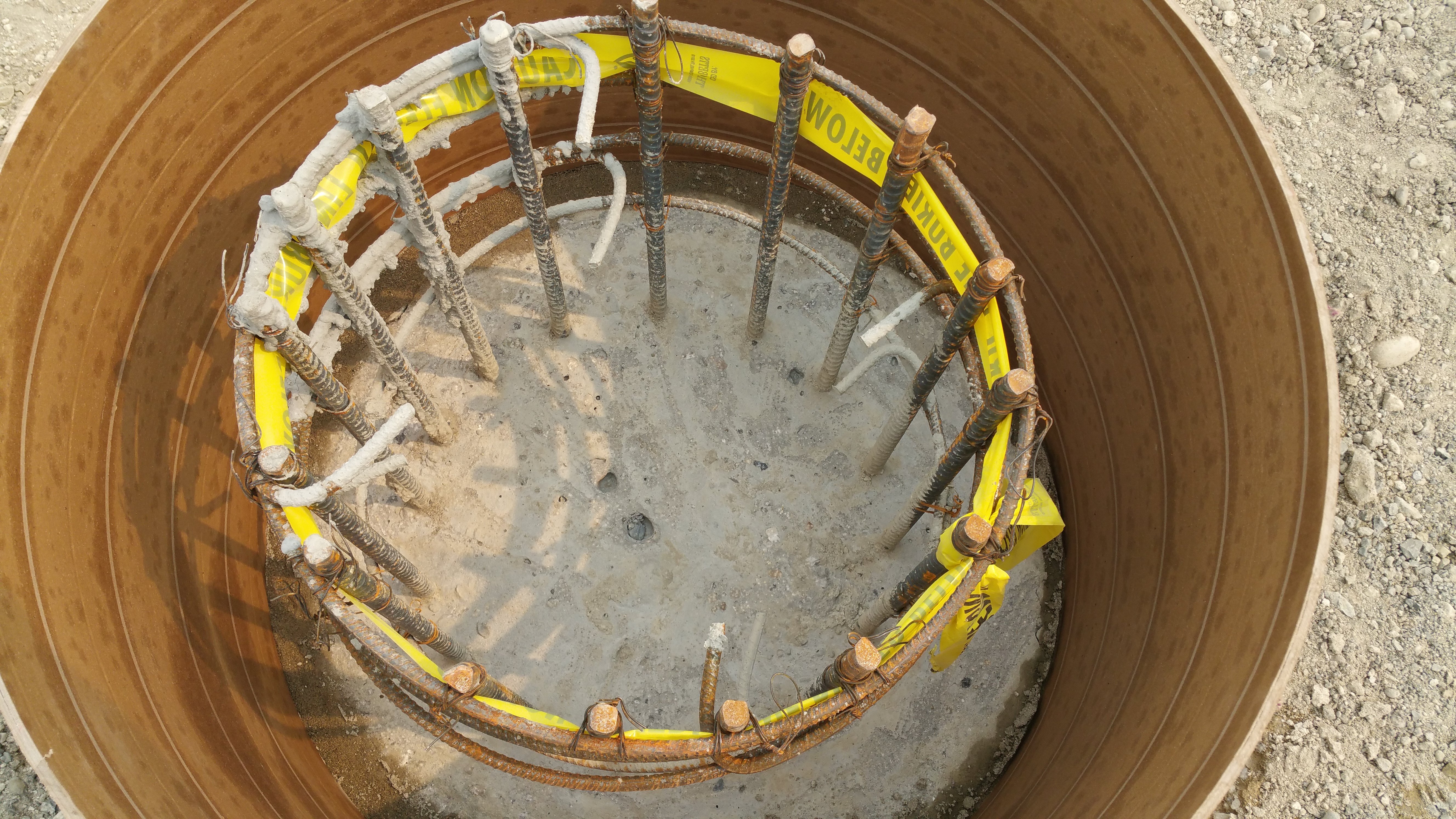
The significance of foundation services cannot be underestimated. With correct piling, building projects can tolerate environmental conditions such as earthquake activity, heavy loads, and varying water tables. Furthermore, using the correct piling technique reduces the chance of subsidence and construction failure, making it a vital consideration for engineers and builders engaged in both minor and large-scale projects. Comprehending the subtleties of piling is important for deciding on the appropriate method for any given project.
Various types of piling methods are available, each crafted for specific applications and soil conditions. Hammered piles, bored piles, and micropiles are just a couple examples of the varied techniques used in contemporary construction. Each method has its pros and is picked based on considerations such as load demands, soil characteristics, and environmental effects. By understanding Mini Piling Arnold Nottinghamshire , project managers can make informed decisions that improve the stability and durability of the buildings they are building.
Types of Piling Techniques
Methods of piling can be categorized into two main categories: driven piling and bored piles. Driven piling are piles that are pre-constructed made from materials such as concrete that are installed in the ground using a pile driver. This technique is typically used in areas with favorable soil and allows for rapid installation, making it ideal for projects requiring swift execution. Bored piles, are formed by boring a hole into the ground and then filling it with a concrete mixture. This method is often employed in locations with challenging soil conditions where installing driven piles may be impractical.
Another common method is the use of micropiling, which are small-diameter piles drilled into the ground. Micropiles are particularly useful for projects where access is limited or in locations needing minimal environmental impact. Micropiles can bear significant weight despite their smaller size and are increasingly chosen in metropolitan development. Additionally, screw-piling incorporate a twisted shape that allows for easy insertion into the ground, making them an effective option for less intensive setups or in earthquake-prone areas.
Finally, chemical piling involves the use of grouting materials to enhance the soil properties and create a reliable base. This approach is often used in areas with compromised ground where traditional piling methods may prove insufficient. By pumping a grout blend into the ground, the surrounding soil can be consolidated, reducing the potential for sinking and providing a stronger base for construction. Each of these piling techniques offers specific strengths and is selected based on the needs of each project and environmental factors.
Choosing the Ideal Foundation Method
Choosing the suitable piling method for your building project is vital to ensure security and durability. Begin by analyzing the particular conditions of your site, including soil conditions, water table levels, and load capacity requirements. All project is unique, so recognizing these elements will assist you in choosing whether to use driven foundations, bored piles, or other techniques such as micropiles. Meeting with soil engineers can provide valuable information into the specific requirements of your location, ensuring an knowledgeable selection.
Take into account the scale and purpose of your construction endeavor as well. For massive buildings, such as skyscraper buildings or bridges, substantial foundations might be necessary to transfer loads properly. In contrast, small-scale developments could gain from less heavy methods. Additionally, take into account the sustainability of your selection; sustainable and gentle methods may be more suitable in delicate locations. The selection of equipment plays a role too, as state-of-the-art piling machinery can enhance productivity while minimizing soil disturbance.
In conclusion, it is important to partner with knowledgeable foundation specialists who comprehend the subtleties of different piling techniques. They can help in assessing the most efficient options tailored to your project requirements. Preparing a comprehensive list of inquiries for potential contractors will help you assess their expertise and ensure that they align with your project goals. Focusing on protection and adherence with regional laws will also play an key part in the smooth application of your selected piling solution.