

As climate change and ecological deterioration continue to rise, more homeowners are seeking ways to lessen their footprint on the planet. One innovative option that is gaining popularity is the environmentally friendly stove, a kind of cooking appliance designed to be more energy-efficient and environmentally friendly than conventional stoves. With a growing range of options, these stoves are not just about sustainability; they also promise significant savings, better air quality, and a stylish addition to modern kitchens.
In this article, we will explore the world of eco stoves, looking into how they work, their benefits, and their importance in advocating for sustainable living. From comparing eco stoves to traditional stoves to assessing their environmental impact, we aim to provide you with thorough insights that can aid in your decision-making. Whether you are looking for an eco-friendly solution for your compact living space or considering an upgrade for your home, understanding the capabilities of eco stoves can prove to be a significant shift for both your way of living and the environment.
Understanding Environmental Stoves
Eco stoves are crafted to provide effective, environmentally safe cooking and heating options. Their main objective is to reduce power intake and reduce waste compared to classic ovens. Eco Wood Burning Stoves Northallerton utilize cutting-edge techniques such as enhanced combustion methods and insulation features, which aid to increase heat production while minimizing fuel use. Rather than relying solely on natural gas or electricity, eco stoves commonly utilize green resources types, such as organic matter, such as timber granules and other sustainable resources.
The operation of environmental devices varies widely according to the kind and version, but they generally function by employing efficient fuels and incorporating capabilities that improve performance. Numerous environmental devices are equipped with intelligent mechanisms that permit homeowners to track and adjust their energy utilization. This flexibility not just aids in cutting aggregate spending but also guarantees that the green impact is reduced. As recognition of climate change increases, environmental stoves are growing more significant in both city and rural settings.
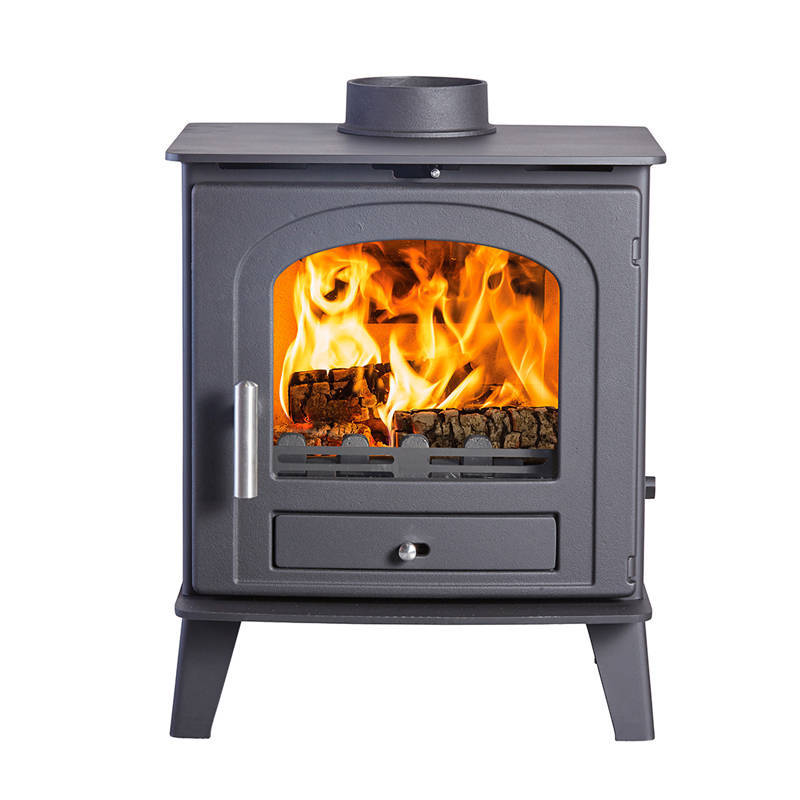
Adopting environmental stoves fits into a broader effort towards green living. Numerous homeowners are realizing the significance of taking eco-friendly conscious decisions in their culinary and warming systems. By opting for ecological devices, homeowners can help to a reduction in greenhouse gas emissions and pollution, making a beneficial impact on both quality of life and the environment. As advancement advances, these stoves persist to gain in traction, drawing in those looking to reduce their environmental footprint while experiencing contemporary amenities.
Benefits of Eco Stoves
Eco stoves offer numerous positive aspects that make them an attractive choice for both property owners and the planet. For starters, they are engineered to consume energy in a more efficient manner than traditional stoves, which indicates they require less fuel for the same amount of heat. This productivity translates into decreased energy bills, allowing users to set aside money over the years. Additionally, many eco stoves utilize green energy or eco-friendly materials, leading to a minimization in dependence on traditional fuels and supporting environmental sustainability.
A further significant advantage of eco stoves is their lowered impact on the air quality inside. Old-fashioned wood-burning stoves can emit toxic pollutants into the home atmosphere, which can harm the health of household members. In contrast, numerous eco stoves are built to burn more cleanly, producing lower emissions and lower levels of pollutants, such as particulate matter. This makes them a safer option for households, especially those with lung conditions or young children.
Furthermore, eco stoves play a important role in promoting sustainable living habits. By utilizing eco-friendly materials and technologies, these stoves merely reduce greenhouse gas emissions but also encourage conscious consumerism. They empower individuals to make choices that match with care for the environment, building a greater sense of responsibility towards the planet. As knowledge of climate change continues to grow, the adoption of eco stoves symbolizes a positive step toward a sustained tomorrow.
Environmental Heater Comparisons
When evaluating environmentally friendly heaters, it's essential to compare different types to find the best fit for your requirements. Wood stoves and pellet stoves are two popular choices. Wood stoves use pieces of wood as fuel, providing a traditional and often more cost-effective heating solution, contingent on local wood availability. In contrast, compressed wood pellet systems use compressed wood pellets, which are more energy-efficient and emit less smoke, making them better for air quality. Each type has its benefits and can appeal to varied lifestyles and preferences.
Another important factor to evaluate is the efficiency ratings of these heating units. Green heaters are engineered to burn fuel more efficiently, leading to higher efficiency rates than traditional stoves. Higher performance results to reduced fuel consumption and lower emissions. When reviewing choices, look for heaters that have been approved by official organizations, as these units often meet strict environmental standards. This evaluation can significantly influence not just your utility costs, but also your carbon footprint.
Finally, appearance and setup needs should also be considered. Green heaters come in different designs, from modern to traditional, allowing you to choose one that complements your home. Installation can vary significantly based on the stove type, so it's crucial to evaluate the criteria to ensure compatibility with your space. Whether you choose a wood or compressed wood stove, ensure that it fits seamlessly into both your daily life and interior aesthetics while adhering to safety regulations.