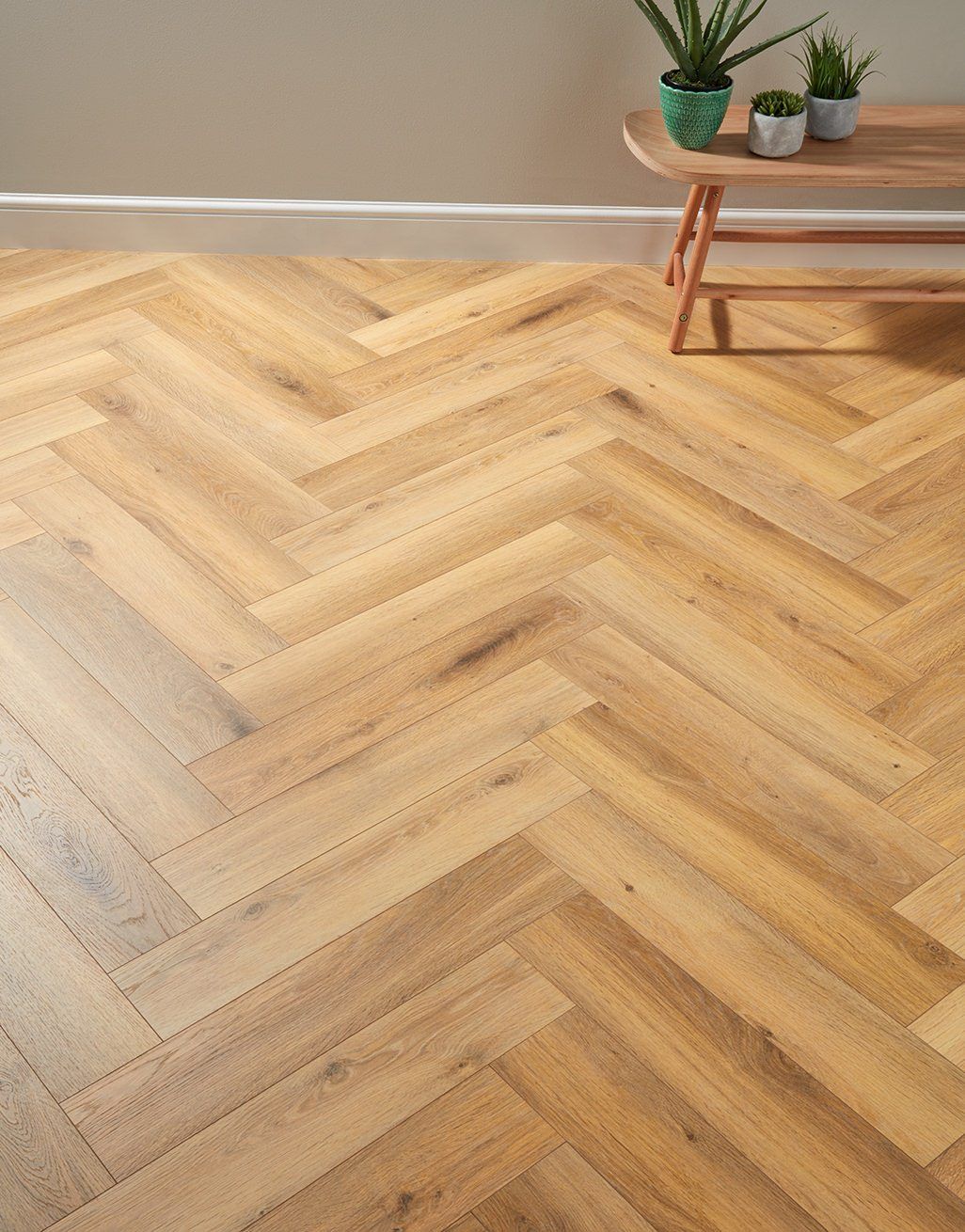
Timber floors has long captivated homeowners and interior designers alike with its unique charm, coziness, and versatility. From the deep, dark hues of classic hardwood to the sleek finishes of contemporary engineered wood, this floor option effortlessly matches a variety of aesthetics. As we explore the journey of timber flooring from classic designs to modern interpretations, it becomes evident that it remains a timeless choice that can improve any space, making it not only a practical element but also a meaningful design feature.
In this piece, we will delve into various facets of wooden flooring, providing insights on how to select the right type for your home, along with advice on maintenance and preservation. We will contrast hardwood and composite wood, examine popular styles in 2025, and highlight the many eco-friendly benefits of sustainable options. If you are considering an improvement, setup, or simply exploring the world of timber floors, our comprehensive guide will equip you with the understanding needed to make educated decisions and value the lasting appeal of wood underfoot.
Choosing the Right Wooden Floor
Selecting the right wooden flooring for your home involves taking into account various factors that respond to your lifestyle and design choices. Initially, assess the area where the floor will be placed, as high-traffic areas may require more durable choices, while quieter spaces can suit more delicate woods. Think about Herringbone Flooring Royal Leamington Spa want to achieve; whether it's a rustic charm or a sleek contemporary look, there are wood types and textures that align ideally with your vision.
Another crucial aspect is the kind of timber flooring: solid wood versus engineered wood. Hardwood provides enduring durability and can be refinished several times, making it an excellent long-term investment. Conversely, engineered wood is more resilient and less susceptible to fluctuations in humidity, which is ideal for lower levels or spaces with fluctuating moisture levels. Comprehending these differences will assist you make an informed choice that suits not only your taste but also the functional considerations of each room.
Finally, think about the color and coating of the wood. Lighter woods can provide an open, spacious feel, while deep tones add warmth and closeness to a room. The surface treatment, whether flat, silky, or shiny, will also affect the final look and care of the flooring. Bring samples home to see how various choices blend with your existing décor, ensuring the wooden flooring you select enhances the overall aesthetic appeal of your house.
Upkeeping and Looking After Wood Floors
To keep your wooden floors looking in top condition, routine maintenance is crucial. Begin with regular cleaning to get rid of dirt and grime. A soft-bristle broom or a vacuum with a wood floor attachment is ideal for this purpose. Avoid damp mops and too much water, as humidity can ruin the finish. Instead, use a soft mop or cloth lightly dampened with a wood-friendly cleaner specific to your specific floor type. This approach not only maintains the look but also prevents the build-up of dirt and grime that can scratch the surface.
When it comes to more thorough maintenance, consider applying a protective finish periodically. Depending on the type of wood and finish, recoating every 3-5 years may be necessary. If your hardwood flooring exhibit signs of wear or scratches, you can revive the finish with a quick re-coating. For more significant damage, you may need to sand and refinish the damaged areas. Always adhere to manufacturer guidelines for the optimal results, and seek advice from a professional if you're unsure.
Periodic care is also important for hardwood floors. In winter, using a humidifier can help stop the wood from becoming dry and cracking due to reduced humidity. In summer, keep your floors chill by closing curtains in direct sunlight to avoid fading. Additionally, placing mats at entryways can greatly reduce dirt and grime that get tracked onto your flooring, further preserving their appearance and integrity.
Developments and Perks of Wood Flooring
Wood flooring keeps to evolve, making itself as a adaptable choice for diverse design styles. In the year 2025, popular styles include broad planks, blended finishes, and paler tones, which create spacious environments. Natural elements, such as restored wood, draw in those seeking comfort and character, while modern designs often include smooth, minimalist patterns and manufactured wood options that improve strength without sacrificing style.
The benefits of wood flooring extend beyond visual appeal. Its natural energy-saving properties contribute to enhanced energy efficiency, assisting to ensure comfortable temperatures in the home. Additionally, wooden floors are known for their durability and can significantly elevate a property's sales value. Property owners appreciate how wooden flooring can adjust to changing design preferences, ensuring that their purchase continues desirable over time.
Caring for wood flooring is crucial to its durability and beauty. Regular care includes washing with gentle products to avoid ruining the finish and restoring when necessary to restore its shine. Understanding these care techniques, along with choosing renewable wood options, allows householders to enjoy the classic beauty of wooden floors while making sustainable choices.