

As the quest for energy efficiency and eco-friendly living continues to gain momentum, heat pumps are becoming as a groundbreaking solution for homeowners looking to move from traditional heating and cooling approaches. These versatile systems not only promise to lower energy bills but also contribute to environmental protection by minimizing carbon footprints. Getting to know how heat pumps work and their benefits is essential for those looking to upgrade their homes or invest in new construction.
This comprehensive guide will explore all the aspects you need to know about heat pumps, from the basics of their functioning to advanced considerations like installation and upkeep. We will explore the comparison of heat pumps to traditional HVAC systems, the effects of weather on their efficiency, and the misconceptions that often accompany them. Whether Find more info are in a cozy mountain town like Aspen or a bustling city, you'll find insights on how heat pumps can improve comfort in all seasons. Come along as we reveal the game-changing potential of heat pump technology and help you make smart choices for your home heating and cooling needs.
Grasping Heat Transfer Systems
Heat transfer systems are advanced appliances engineered to transfer heat from one area to another, providing both warmth and air conditioning for homes. They function on the concept of the refrigeration cycle, using a refrigerant that absorbs heat from the atmosphere or soil and then releases it inside the home. This system allows heat pumps to move heat rather than producing it, making them an economical solution for climate control. Homeowners are increasingly opting for heat pumps due to their potential for energy savings and flexibility.
There are two key types of heat pumps: air-based and geothermal. Air source heat pumps draw heat from the outside air, while ground source heat pumps, also referred to as geothermal heat pumps, capture heat from the ground. Each category has its own advantages and drawbacks, with air source systems usually being easier and more affordable to set up, while ground source systems tend to offer superior efficiency and durability. Recognizing the variations helps homeowners make educated choices based on their specific needs and local climate conditions.
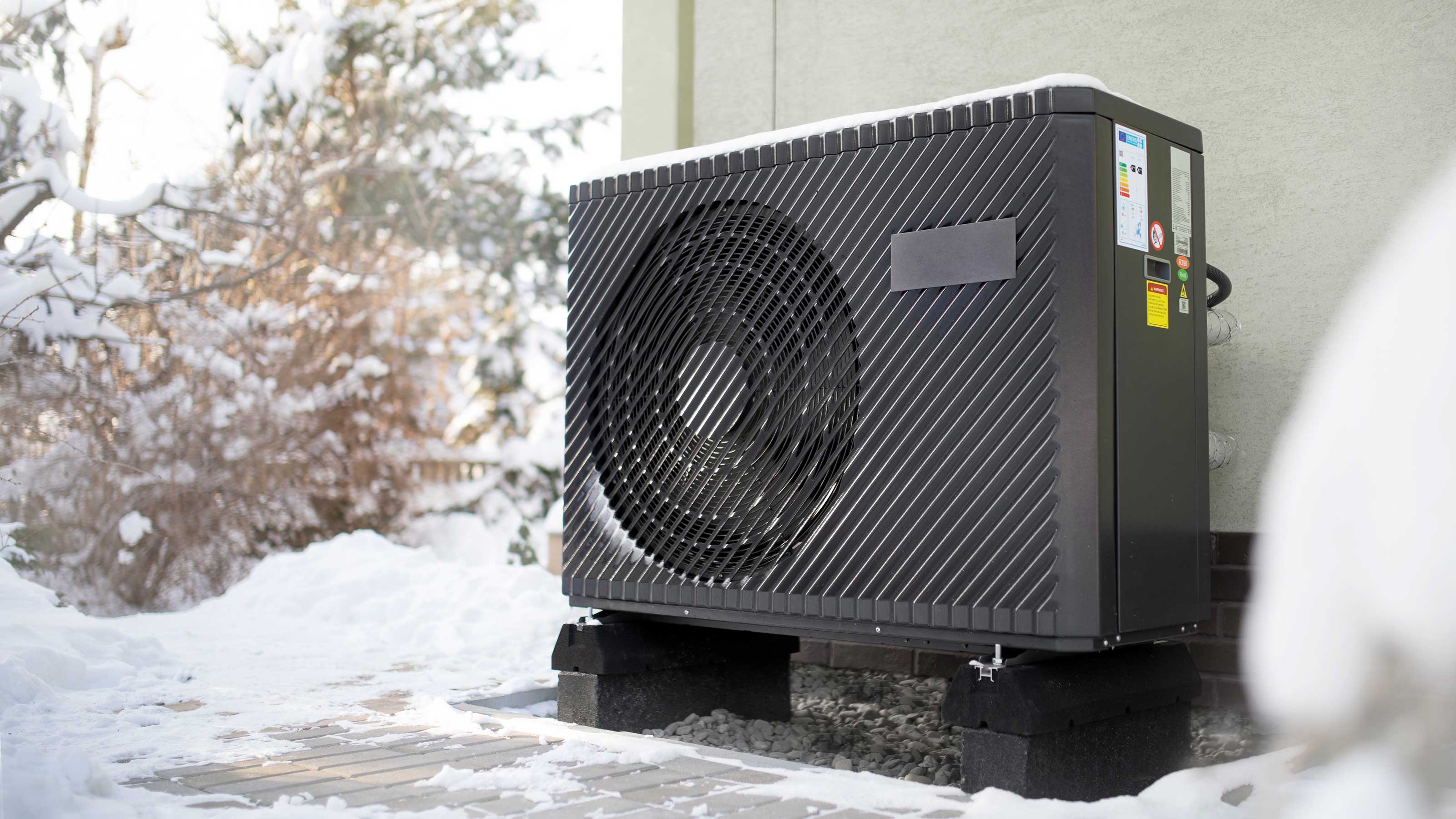
With the increase in energy costs and a heightened importance on sustainability, heat pumps are gaining attention as a practical alternative to normal HVAC systems. Their efficiency can result in significant energy savings, reducing both electricity costs and environmental impact. Additionally, progress in technology are continually improving heat pump performance, making them a attractive choice for modern homes. As residents look for methods to enhance well-being while being eco-friendly, heat pumps stand out as a positive solution for heating and cooling needs.
Heat Pump Systems Effectiveness and Cost Considerations
Heat pumps are well-known for their high performance versus traditional HVAC systems. They function by transferring heat instead of generating it, which allows them to use considerably less energy. The effectiveness of a heat pump is commonly measured using the COP and energy efficiency ratio (EER). Typically, heat pumps can attain a COP of three or greater, meaning they can create 3 units of heat for each one unit of electricity consumed. This high efficiency not only translates to lower energy expenses but also lowers carbon emissions, making them an sustainable option.
When looking into a heat pump, financial aspects come into play in addition to just the starting price. Installation costs can vary depending on the variety of heat pump and the complexity of the installation process. Air-source systems typically have minimal installation costs compared to ground-source pumps, but the long-term savings on energy bills can offset the higher upfront investment for geothermal options. Additionally, homeowners should consider service costs and potential incentives or tax breaks offered, which can greatly affect the total cost in a heat pump solution.
It's crucial to evaluate your home's specific climate control needs to ensure you pick the appropriate size and kind of heat pump. An incorrectly sized heat pump can cause inefficiencies, increased energy expenditure, and reduced comfort levels. Consulting with a professional installer can help you discover the optimal heat pump for your situation, taking into account aspects such as weather, home energy efficiency, and design. By making an knowledgeable decision, homeowners can enhance both performance and cost efficiency while enjoying the benefits of a heat pump setup.
Maintenance and Issue Resolution for Sustained Performance
To ensure your heat pump operates effectively and remains operational for many years, regular maintenance is crucial. This includes cleaning or replacing filters every 1-3 months to maintain optimal airflow and efficiency. Additionally, it is important to keep the outdoor unit free of debris such as fallen foliage, soil, and ice. Heat Pumps Yorkshire allows the heat pump to function effectively and can prevent a range of possible issues down the line.
Keeping an eye on the performance of your heat pump can help you identify problems early. Pay attention for strange sounds, such as clanging or grinding, which may indicate mechanical issues. If you detect a decrease in heating or cooling performance, it could signal a refrigerant leak or malfunctioning components. Be aware to the thermostat's responsiveness as well; an unresponsive thermostat may not activate the heat pump to function when needed, reducing comfort and efficiency.
If your heat pump does experience issues, troubleshooting can often resolve minor problems. Start by checking the thermostat settings and ensuring they are accurate. If the pump is not operating properly, inspect the circuit breaker and reboot it if necessary. However, for more complex issues like compressor unit failures or electrical problems, it's best to consult a specialist. Ongoing servicing by a qualified technician can help identify and fix problems before they grow, ensuring your heat pump continues to deliver reliable comfort year-round.