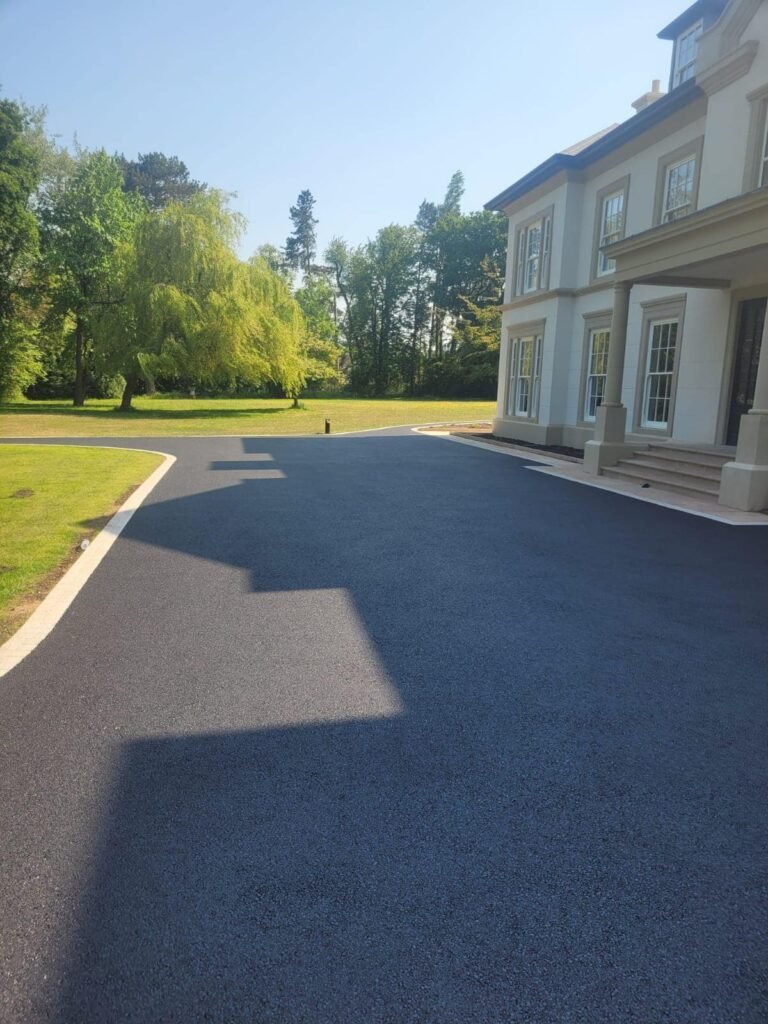
In the current speed-driven society, the importance of a carefully built surface is undeniable. Regardless of whether for commercial, residential, or manufacturing purposes, the standard of surfacing directly impacts operability, security, and visual appeal. Surfacing contractors play a vital role in converting simple ground into durable, dependable, and visually appealing areas. From vehicle storage areas that need to handle a large amount of traffic to residential driveways that enhance value to homes, the skills of these contractors is vital in securing durability and performance.
As we investigate the multiple dimensions of surfacing work, we will delve into essential services provided by skilled surfacing professionals, evaluate materials like asphalt and concrete, and talk about successful methods for a successful surfacing project. Understanding how to pick the right contractor and the benefits of hiring a professional can make all the distinction in your project’s outcome. Accompany us as we discover the advancements and methods shaping the upcoming era of surfacing solutions.
Fundamental Solutions of Surfacing Contractor s
Skilled surfacing contractors deliver a variety of essential services tailored to meet the needs of both residential and industrial clients. One of the main services offered is the laying of asphalt and concrete surfaces, which are vital for vehicular access, car parks, and highways. These contractors guarantee that surfaces are laid with precision and meticulousness, using premium materials that contribute to the lifespan of the material. Their expertise ensures that projects are executed efficiently, complying with local regulations and building codes.
Additionally, another important service offered by surfacing contractors is care and repair of existing surfaces. This includes addressing wear and tear issues such as potholes, cracks, and surface deterioration. Regular maintenance extends the life of the pavement and can avoid costly replacements in the future. Surfacing contractors also provide services such as overlaying, which revitalizes aging asphalt or concrete surfaces without the need for total replacement, thus conserving time and money for property owners.
Additionally, many surfacing contractors focus in bespoke solutions for individual projects. This could involve specialized tarmac surfacing for high-traffic areas, eco-friendly surfacing options, or even ornamental finishes for home driveways. Contractors also handle essential services like striping for parking lots and addressing drainage issues to ensure proper water management. By providing these diverse services, surfacing contractors play a essential role in creating secure, usable, and visually appealing surfaces for different properties.
Selecting the Appropriate Surfacing Contractor
As picking the surfacing contractor for your project, one must essential to begin by looking into possible candidates. Search for contractors with strong reputation, positive reviews, and a portfolio of accomplished projects that correspond with your needs. Recommendations from family, friends, or local businesses can additionally provide important perspectives. Checking internet platforms for customer feedback can help you gauge their reliability and quality of work.
Once you have a list of candidates, it is to inquire about their qualifications and industry experience. Ensure that they are licensed, insured, and have the necessary certifications for the particular type of surfacing you require. Question about their experience with similar projects, as this will demonstrate their capability to address your unique requirements. A contractor with a proven track record in both residential and commercial surfacing can provide additional assurance.
Ultimately, after evaluating their qualifications, discuss your project's specifics and get thorough quotes from various contractors. Comparing costs can give you a better understanding of the market rates. Remember to question about their approach to project planning, timelines, and how they address any unforeseen issues that may arise. A open contractor will be forthcoming about their process, ensuring you arrive at a well-informed decision.
Asphalt vs. Asphalt: Key Considerations
When choosing between asphalt and concrete for surfacing projects, it's crucial to take into account the durability and maintenance needs. The asphalt surface, known for its flexibility, can handle temperature changes more efficiently, which makes it ideal for areas with harsh weather. It generally has a lesser lifespan than concrete but can be fixed easily and affordably. Conversely, concrete is more sturdy and can last considerably longer if properly maintained, though it may need more extensive repairs when damaged.
Cost is another significant consideration for surfacing projects. Asphalt tends to be less expensive in initial installation, which makes it an attractive option for many residential and commercial projects. Nonetheless, while concrete may have a higher upfront cost, its durability can lead to lower long-term expenses. Businesses and homeowners should evaluate their budgets and the intended use of the surface to make the informed decision.
Finally, the visual appeal can influence the choice between asphalt and concrete. Asphalt surfaces have a classic black look, which some may find not as visually appealing compared to the much customizable options available with concrete. Concrete can be imprinted, stained, or colored, providing an opportunity for artistic designs and finishes. Ultimately, the choice will hinge on a consideration of functionality, budget, and aesthetic preference.