

Building a personal movie theater can transform your movie-watching experience into something extraordinary, enabling you to experience films similarly to you would in a movie theater, but from the comfort of your own home. However, many people believe that establishing a home cinema requires a substantial budget, leading them to postpone this thrilling project. Luckily, there are plenty of budget-friendly tips and tricks that can help you reach the cinematic experience you want without going over budget.
In this article, we will explore multiple aspects of installing a home cinema, including choosing the right equipment to maximizing your space. Whether you have a designated room or just a tiny corner in your living area, we will guide you through the basics to create an pleasurable viewing environment. You'll discover how to pick the ideal projector, sound system, and seating options, along with practical advice for making the most of your space while keeping costs low. With https://mcmahon-schack-3.federatedjournals.com/transform-our-environment-the-ultimate-home-theater-guide , you can create a vibrant home cinema that matches your style and budget.
Designing The Home Cinema
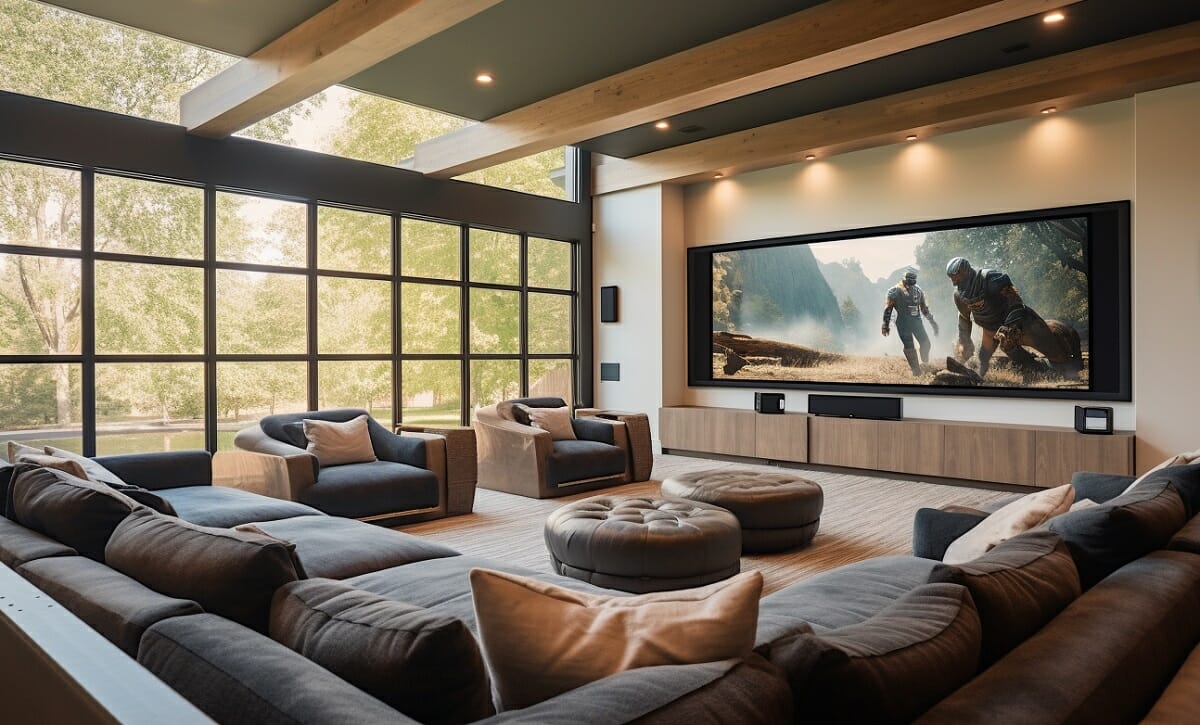
Designing the home cinema is a thrilling process that starts with choosing the perfect space. Ideally, you'll want a dedicated room that can be quickly darkened to boost the viewing experience. Consider a location that reduces outside noise and distractions. If you're limited on space, even a small room can be converted into a snug cinema by using clever design choices, such as selecting the best seating arrangement and screen size to optimize your viewing angle.
Then, think about the layout of your home cinema. Create a comfortable and functional design by positioning the seating at an ideal distance from the screen. A common rule of thumb is to place seating at least one and a half times the diagonal size of your screen for ideal viewing comfort. Ensure there is sufficient space between seats to stop crowding. Add multi-functional furniture that can be quickly adjusted or rearranged to accommodate gatherings of varying sizes.
In conclusion, focus on the aesthetic elements that will make your home cinema feel like a true entertainment venue. Use colors that create a cinematic atmosphere, such as dark blues or grays, to help absorb light. Consider putting in movie-themed decor, acoustic panels, or ambient lighting options that can be modified according to your mood. Considerate design choices will create an inviting space that improves the overall viewing experience for yourself and your guests.
Picking the Right Gear
Choosing the best gear is crucial to ensuring the best home theater encounter. Commence with a superior projector or big display to ensure colorful images. When choosing a projector, consider elements like brightness, resolution, and distance throw. For big televisions, select models with HDR and 4K resolution to enhance your watching experience. Assess your room's size and arrangement to establish the perfect size for your screen or projector.
Next, focus on sound. A great sound experience can greatly enhance your movie atmosphere. Invest in a surround sound setup that matches your space. Look for systems that feature surround sound technology for a richer audio experience, which engulfs you in the movie like never before. If you're short on space, audio bars with subwoofers can also deliver impressive audio performance without overcrowding your room.
Ultimately, don't overlook seats and comfort. Select comfortable chairs or cinema-style chairs that allows for comfort during long movie marathons. Ensure that your layout supports optimal sight lines and that all viewers has a unobstructed view of the display. Accessories like cup holders and adjustable lighting can enhance your configuration, making your home cinema inviting and enjoyable for family and family.
Setup and Maintenance Tips
When setting up your home cinema system, start by thoughtfully planning the arrangement of your devices. To ensure the best viewing experience, make sure the projector or TV is positioned at the appropriate height and distance from the seating area. Additionally, think about the placement of speakers for best sound quality; a surround sound system should create an immersive audio landscape. Avoid common pitfalls by verifying your cable connections and hiding any visible wires to maintain a neat aesthetic.
After the installation, ongoing maintenance is essential to keep your home cinema operating optimally. Consistently check and clean the projector lens or TV screen to avoid dust and debris from impacting picture quality. Additionally, keep an eye on the audio system, inspecting speaker connections and checking the sound settings are properly configured. Test your setup from time to time to make sure everything functions smoothly and adjust settings based on your room’s acoustics as necessary.
Lastly, embrace technology to improve your home cinema experience. Many modern systems offer automated features that can help with tuning and maintenance alerts. If your system integrates with smart home technology, consider setting up routines for lighting and audio that enhance your movie-watching experience. This way, you will not only enjoy the films but also ensure that your setup stays in excellent working condition for years to come.