

When it comes to home design, a handful of materials convey the same warmth and inviting charm as wooden flooring. Its enduring appeal goes beyond trends, offering not just aesthetic enhancements but also a multitude of health benefits that can deeply impact our daily lives. From improving indoor air quality to providing a sense of comfort underfoot, wooden floors are increasingly valued for their positive influence on well-being.
In this article, we will explore the myriad advantages of wooden flooring, directing you through the ideal types to choose from, how to maintain them, and the important considerations for installation. If you are renovating your space or simply looking to enhance the health and beauty of your home, comprehending the benefits of wooden flooring can help you make informed decisions that will resonate for years to come.
Picking the Right Wooden Floor
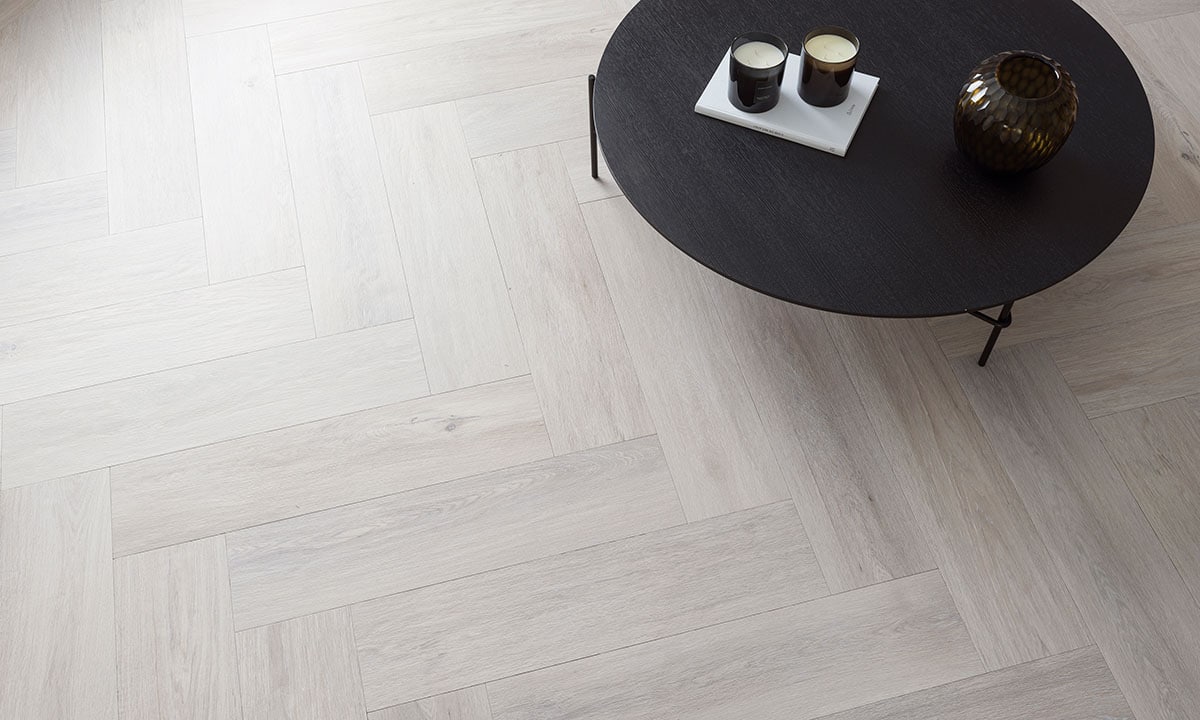
When choosing wooden flooring for your home, it is crucial to take into account the particular requirements of your space. Different areas in a house have varying levels of traffic, humidity, and exposure to sunlight, all of which can affect the kind of wood you should select. For busy areas like corridors and living rooms, a hardier hardwood type such as oak or maple may be ideal. On the other hand, for spaces like bedrooms where softer wood might be sufficient, consider options like pine or fir.
A further key factor in your decision is the coating of the wooden floor. Pre-finished wood comes with a defensive layer applied by the manufacturer, offering convenience and consistent quality. On the other hand, raw wood allows for a personalized finish and sheen but requires more time and effort during installation. Evaluate the pros and cons of each choice based on your lifestyle and maintenance preferences to find the right match for your home.
In conclusion, educate yourself about different wood types and their characteristics. Hardwoods like cherry and walnut are known for their luxurious aesthetics and durable durability, while composite wood offers flexibility and resistance to moisture, making it suitable for basements and kitchens. Investigating these choices and their suitability for your home's environment can greatly enhance the longevity and aesthetic appeal of your flooring selection.
Advantages and Upkeep of Wood Flooring
Wood floors delivers countless health benefits that reach past its classic aesthetic. Firstly, it encourages better indoor air quality compared to rugs, which can harbor dust, allergens, and dangerous particles. Wooden floors are easier to clean and do not trap dust, making them an perfect choice for those suffering from allergic reactions or respiratory problems. Additionally, wood floors can enhance emotional well-being, as the natural warmth and aesthetics of timber create a peaceful and inviting environment in homes.
Maintaining wooden floors is essential to preserving their appeal and longevity. Regular cleaning is essential, and using a soft broom or vacuum with a hardwood attachment keeps dust and dirt from collecting. For Herringbone Flooring Padbury , a damp mop with a wood-safe cleaner can restore shine without harm the finish. It is also vital to guard the floors from moisture, which can result in warping or mold growth. Using rugs in high-traffic areas and placing mats at doorways can help reduce wear and tear.
To extend the life of wood flooring, restoring is a sensible option when scratches become noticeable. Regular inspections to locate any possible issues, such as loose boards or indications of water damage, empower homeowners to tackle these problems early on. By grasping both the gains of wooden flooring and the essential maintenance it requires, homeowners can relish a gorgeous, clean living space for years to come.
Developments and Importance in Wood Floors
Timber flooring continues to progress, reflecting modern design trends while maintaining its intrinsic charm. In 2025, organic finishes and lighter wood tones are gaining popularity, aligning with the demand for bright, airy spaces. Additionally, wood species such as oak, hard maple, and black walnut are favorites, as their unique grain patterns and hue variations allow homeowners to customize their interiors. Responsible sourcing also plays a important role, with more consumers opting for eco-friendly wooden flooring choices that not only enhance design attractiveness but also showcase a commitment to environmental responsibility.
As tastes shift towards spacious, versatile living spaces, the worth of high-quality wooden flooring becomes more pronounced. Homes featuring wooden floors often see higher resale values, appealing to interested purchasers who appreciate the endurance and timeless appeal of this material. Not only does timber flooring enhance the overall aesthetic, but it also adds a sense of warmth and sophistication that contemporary homeowners covet. In city environments where space is at a premium shortage, the ideal selection of wooden flooring can convert a small home into a elegant and desirable home.
Acquiring timber flooring is more than instant visual appeal; it is also a long-term investment in your home’s worth. Given its resilience and the comparative ease maintenance compared to different flooring solutions, wooden flooring can withstand the test of time. Homeowners who choose renew their wooden floors can further prolong their lifespan and maintain appeal, making wooden flooring a smart decision for those looking to enhance their homes both functionally and in investment.